Cost and Lead Times for Ceramic vs Stainless Steel Bathware Imports
Ceramic and stainless steel bathware carry different import costs and lead times. Ceramic is sensitive to breakage and shipping weight, while stainless steel depends on alloy type and corrosion resistance. This guide breaks down cost drivers and timing.
- Ceramic items are lightweight but fragile, making packaging and insurance a larger share of landed cost.
- Stainless steel fixtures are heavier but more durable, shifting cost pressure toward raw material and plating quality.
- Lead times differ by process. Ceramic requires long kiln cycles and glaze curing. Steel requires alloy procurement and surface treatment.
- Clear RFQs and standardized comparisons reduce quote variance and shorten procurement cycles.
- Factor in port delays, customs clearance, and inland transport when calculating total delivery time.
What Drives the Cost of Ceramic Bathware
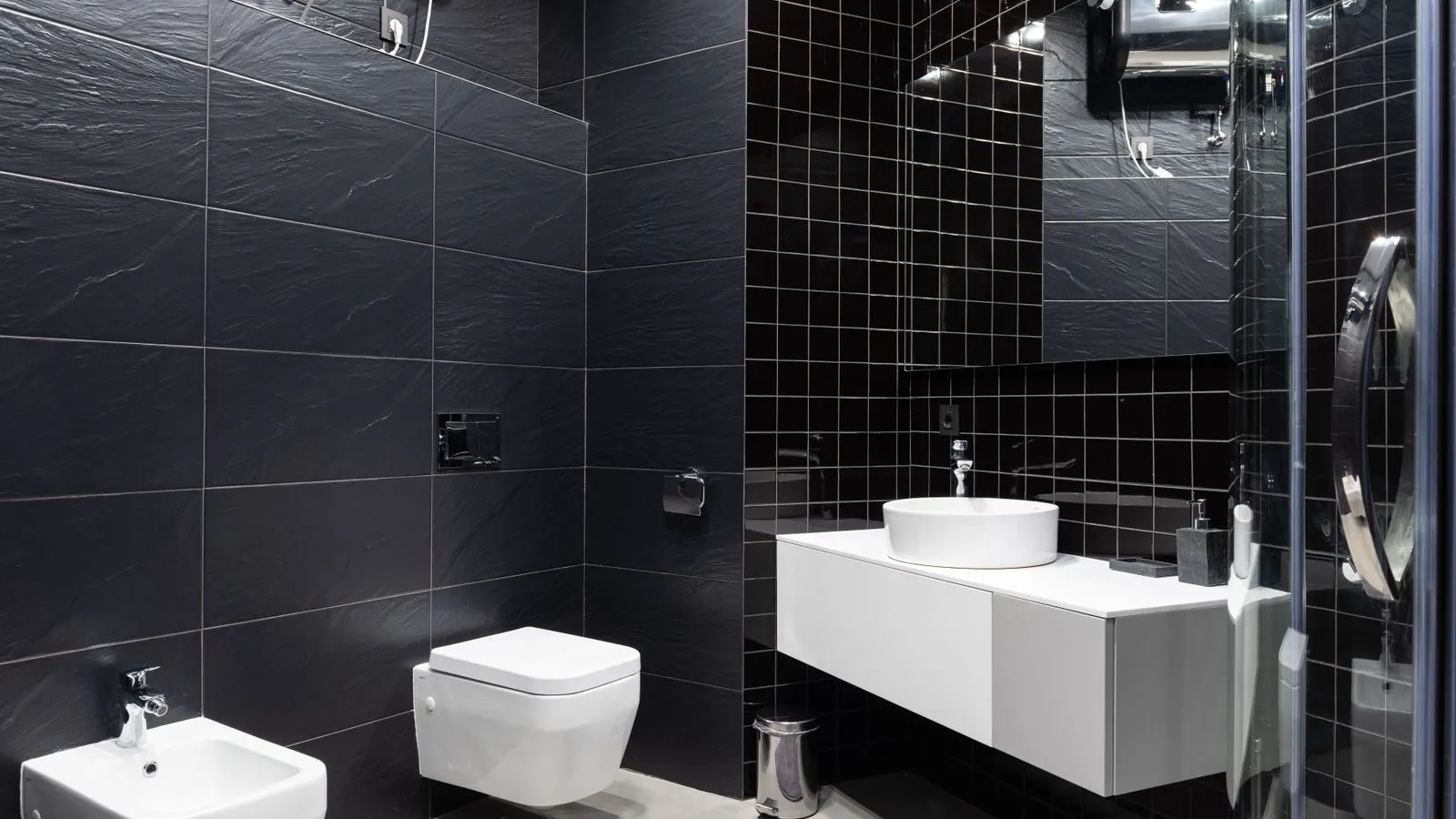
Ceramic sanitary ware sits at the intersection of raw material, labor, and logistics. The base material is clay, but the final price depends heavily on the body type, glaze system, and firing schedule. Porcelain, vitreous, and earthenware bodies have different moisture absorption rates and structural strengths. A toilet bowl or washbasin made from vitreous clay will cost more than an earthenware equivalent because the firing temperature is higher and the material is harder to break.
The glaze adds another layer of cost. Glaze chemistry determines color, texture, and durability. A simple white glaze is standard and inexpensive. A colored or textured glaze requires additional raw materials and more careful kiln management. The buyer must specify the glaze finish in the RFQ. A vague request for a white basin can result in quotes based on different glaze thicknesses, different firing schedules, and different batch sizes.
Packaging is the hidden cost in ceramic imports. A 60 kg washbasin is not heavy, but it is fragile. The manufacturer must use molded pulp, foam, or wooden crates. The buyer must specify the packing standard. If the cargo is shipped in a container with other goods, the packing must protect against shifting and impact. If it is shipped loose, the risk of damage rises. Insurance premiums and the need for careful handling at the port both increase the landed cost.
What Drives the Cost of Stainless Steel Bathware
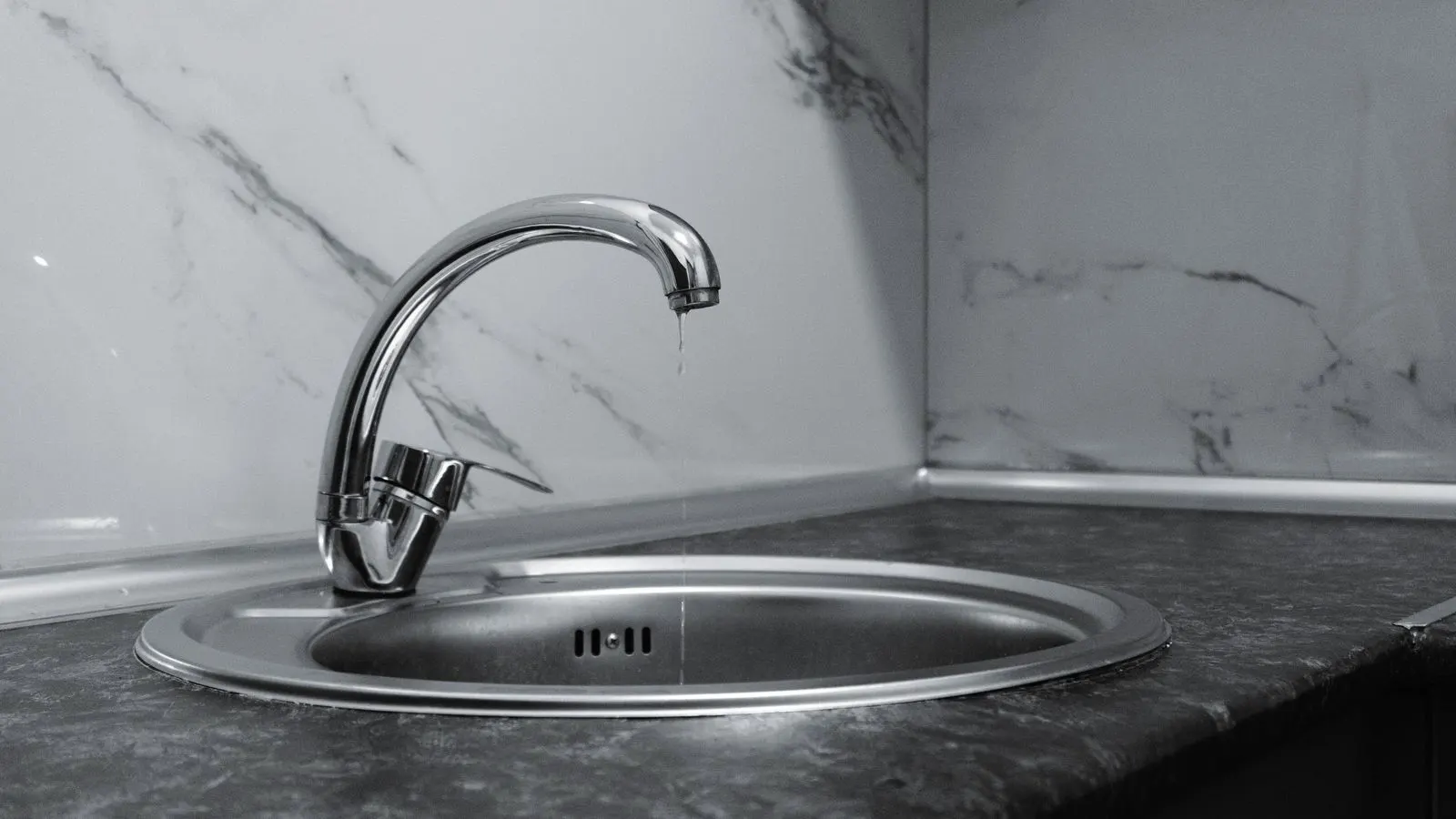
Stainless steel fixtures are defined by alloy composition. Grade 304 and Grade 316 are common in sanitary ware. The difference matters. Grade 316 contains molybdenum, which improves resistance to chlorides and salt air. It costs more than Grade 304. The buyer must specify the grade. A quote for a shower head in Grade 304 will not match a quote for the same head in Grade 316.
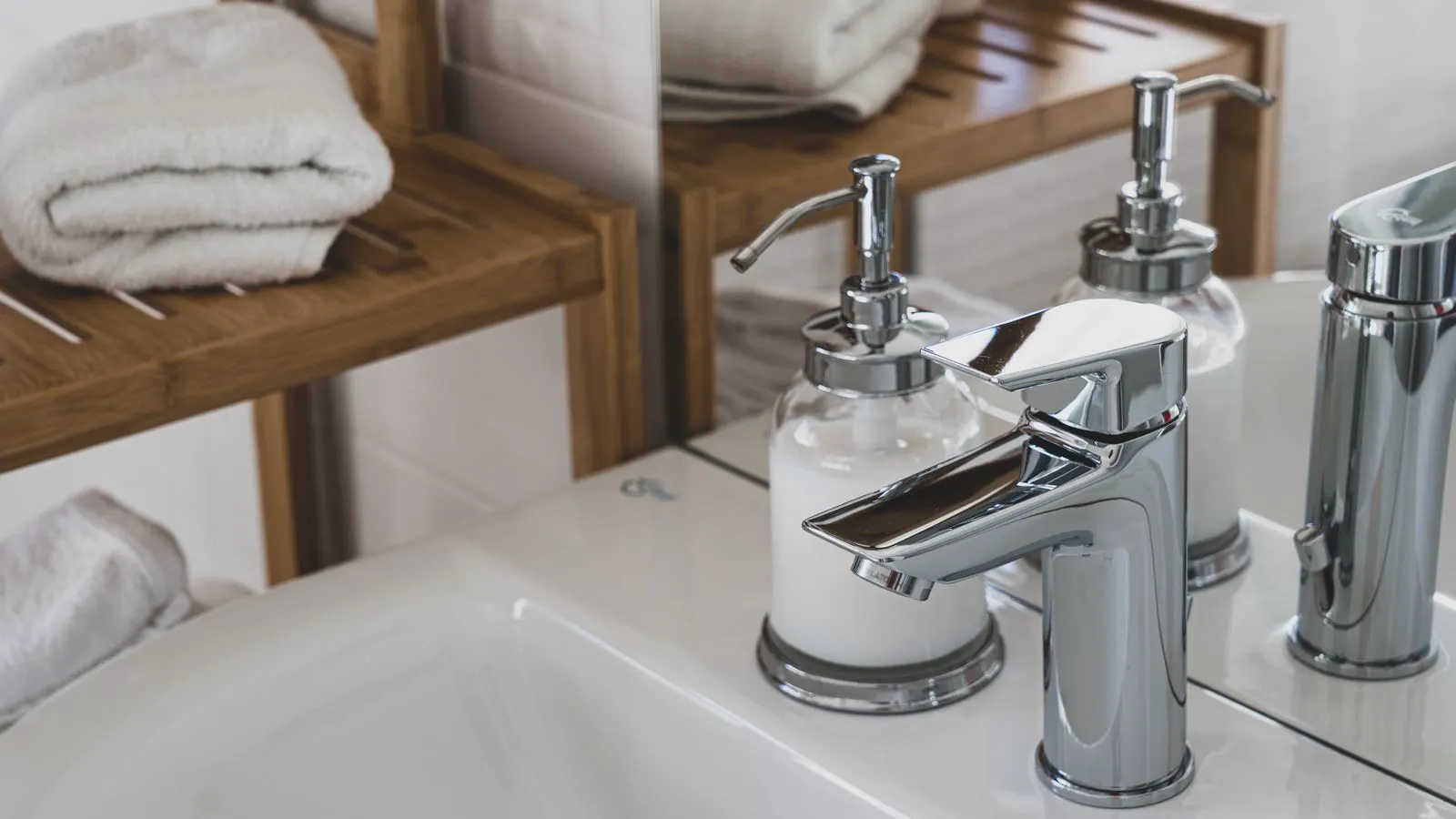
Surface treatment adds significant cost. Raw steel is not suitable for a bathroom. It must be passivated, polished, or plated. Polishing requires abrasive grinding and buffing. Each pass adds cost. A mirror finish costs more than a brushed finish. Plating, such as nickel or chrome, adds another layer. The thickness of the plating, measured in microns, affects durability and cost. A thin plating layer may look good initially but wear faster under daily use. A thicker layer costs more but lasts longer.
The weight of steel fixtures shifts the logistics cost. A stainless steel shower mixer may weigh several kilograms. A set of wall-mounted taps and a shower head can reach a significant weight. The shipping cost per cubic meter is often higher for steel than for ceramic because steel is dense. The buyer must calculate the weight and volume. A container of steel fixtures will be weight-limited rather than volume-limited in many cases.
How Lead Times Compare Between the Two Materials
Ceramic production has a fixed sequence. Clay is mixed, formed, dried, glazed, and fired. The drying and firing stages take time. A single kiln cycle may take many hours. The glaze must cure before the item can be packed. If the kiln is overloaded, the cycle extends. The buyer cannot rush this without risking defects. A lead time of eight to twelve weeks is common for standard ceramic items. Custom colors or large batches can extend this period.
Stainless steel production also has fixed stages. Alloy procurement, cutting, forming, polishing, and plating each take time. The alloy may need to be imported if the local market does not carry the required grade. The plating shop must schedule the work. If the plating bath is full, the item waits. The lead time depends on the supplier’s backlog. A lead time of six to ten weeks is typical for standard steel fixtures. Complex shapes or large plating orders can take longer.
The timing difference is not just about manufacturing. It is about supply chain stability. Ceramic raw materials are often sourced locally. Steel alloys are more global in their supply. If an alloy shipment is delayed, the entire production line slows. The buyer should ask for the supplier’s raw material source. If the supplier imports the steel, the lead time is longer and more vulnerable to port delays.
How to Write a Clear RFQ for Fair Comparison
A vague RFQ produces vague quotes. The buyer must specify the material grade, finish, dimensions, and quantity. For ceramic, state the body type and glaze finish. For steel, state the alloy grade and surface treatment. Include the packing requirements. State the Incoterms. Ask for the lead time from confirmed order to shipment. Ask for the warranty period.
The RFQ should include a sample reference or a technical drawing. A verbal description is not enough. A drawing shows the exact shape and size. A sample shows the exact color and finish. The buyer should request a sample before placing a large order. A sample costs money, but it prevents a large batch of defective goods from arriving at the project site.
The RFQ should also ask for the payment terms. A deposit of 30 to 50 percent is common. The balance is due before shipment. The buyer must confirm the currency of the quote. Exchange rate fluctuations can change the final price. The buyer should ask for the validity period of the quote. A quote that expires in thirty days is different from a quote that expires in ninety days.
How to Compare Quotes from Different Suppliers
Do not compare the unit price alone. Compare the landed cost. Add the shipping, insurance, customs duty, and inland transport. A supplier in one country may have a low unit price but a high shipping cost. A supplier in another country may have a higher unit price but a lower shipping cost. The total cost is what matters.
Compare the lead time. A supplier with a shorter lead time may charge more. A supplier with a longer lead time may charge less. The buyer must weigh the cost of early delivery against the cost of waiting. If the project has a fixed completion date, a shorter lead time may be worth the premium. If the project is flexible, a lower cost may be better.
Compare the quality controls. Ask for the test report. Ask for the plating thickness test for steel. Ask for the water pressure test for ceramic. Ask for the sample approval process. A supplier with a documented quality control process is more reliable. A supplier with no test report is a risk. The buyer should ask for a third-party inspection before shipment. This cost is small compared to the cost of a failed delivery.
Cost and Lead Time Table
| Cost Driver | Ceramic Impact | Stainless Steel Impact |
|---|---|---|
| Raw Material | Clay body and glaze chemistry | Alloy grade (304 vs 316) |
| Processing | Kiln firing and glaze curing | Polishing and plating |
| Weight | Low, but fragile | High, dense |
| Packaging | Molded pulp, foam, wooden crates | Standard cartons or crates |
| Lead Time | 8-12 weeks typical | 6-10 weeks typical |
| Risk | Breakage in transit | Corrosion if plating is thin |
How to Reduce Procurement Risk
The buyer must build the timeline into the project schedule. Do not order on the day the design is finalized. Order when the design is 80 percent complete. This allows time for sample approval and revision. If a sample is rejected, the order is delayed. The buyer must allow for this risk.
The buyer must also plan for customs clearance. The goods will not leave the port immediately. There is a process of documentation, inspection, and payment. The buyer must have the commercial invoice, packing list, and certificate of origin ready. A delay in paperwork delays the goods. The buyer should work with a freight forwarder who understands sanitary ware.
The buyer must also plan for installation. The goods must be stored on site. If the site is not ready, the goods sit in a warehouse. This is a cost. The buyer should coordinate the delivery with the installation schedule. The goods should arrive when the work is ready to receive them.
Final Check Before You Place the Order
The buyer must review the quote one last time. Check the material grade. Check the finish. Check the quantity. Check the lead time. Check the payment terms. Check the packing. Check the Incoterms. If anything is unclear, ask the supplier. Do not assume. A clear question now saves a costly mistake later. The goal is a fair comparison and a reliable delivery.
Frequently asked questions
Can I compare ceramic and stainless steel quotes directly?
No. The materials have different cost structures and risks. You must compare the landed cost, not just the unit price.
How much longer does ceramic take to produce?
Ceramic often takes longer because of the kiln firing and glaze curing. A typical lead time is longer than for stainless steel.
What is the biggest cost risk with stainless steel?
The alloy grade and plating thickness. A cheap quote may use a lower grade or a thin plating layer.
How do I protect the ceramic from damage?
Specify the packing standard in the RFQ. Use molded pulp or wooden crates. Insure the shipment.
Should I order a sample?
Yes. A sample prevents a large batch of defective goods from arriving. It costs money but reduces risk.