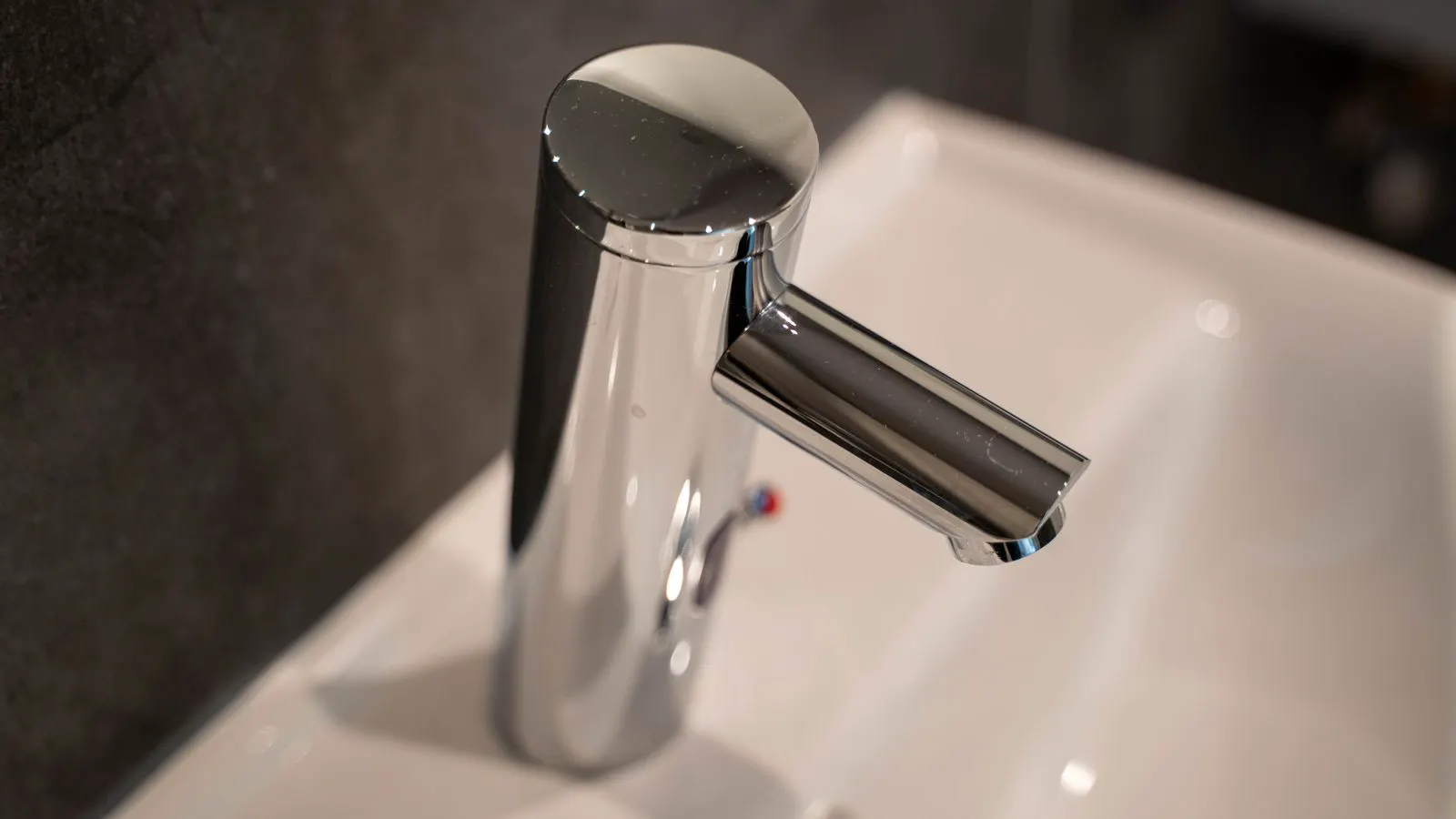
Materials & Finishes
Explainer: Why Ceramic Glazes Fail and How to Prevent It
Ceramic glaze failure occurs when the glaze layer cracks or separates from the ceramic body due to thermal shock, mechanical impact, or poor application. Preventing
Comparative guides on ceramic, stainless steel, and chrome finishes, including durability and maintenance for long-term use.
Ceramic glaze failure occurs when the glaze layer cracks or separates from the ceramic body due to thermal shock, mechanical impact, or poor application. Preventing
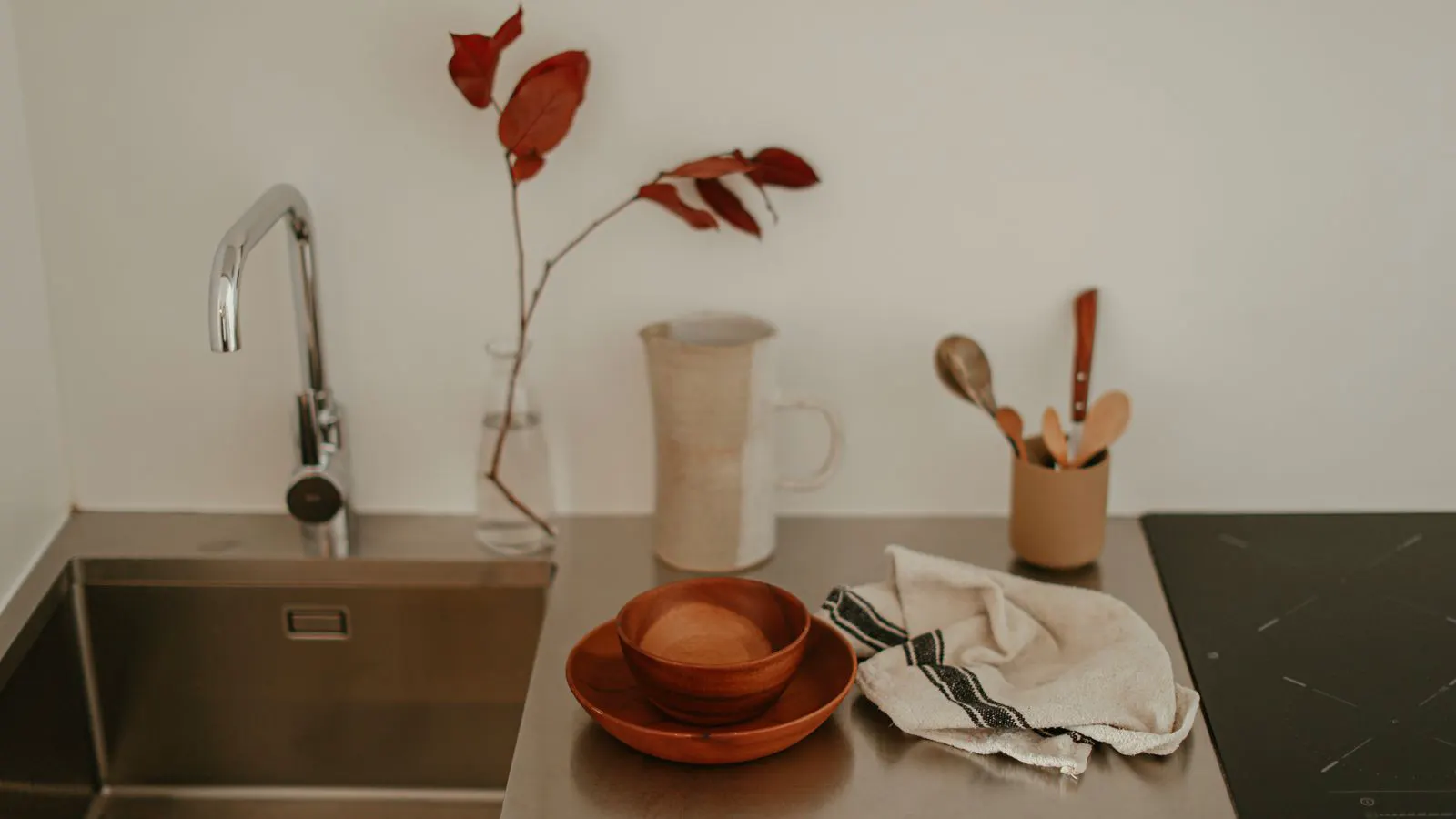
Ceramic porcelain offers a hygienic, non-porous surface ideal for sinks and partitions, while stainless steel provides high impact resistance and ease of cleaning. The
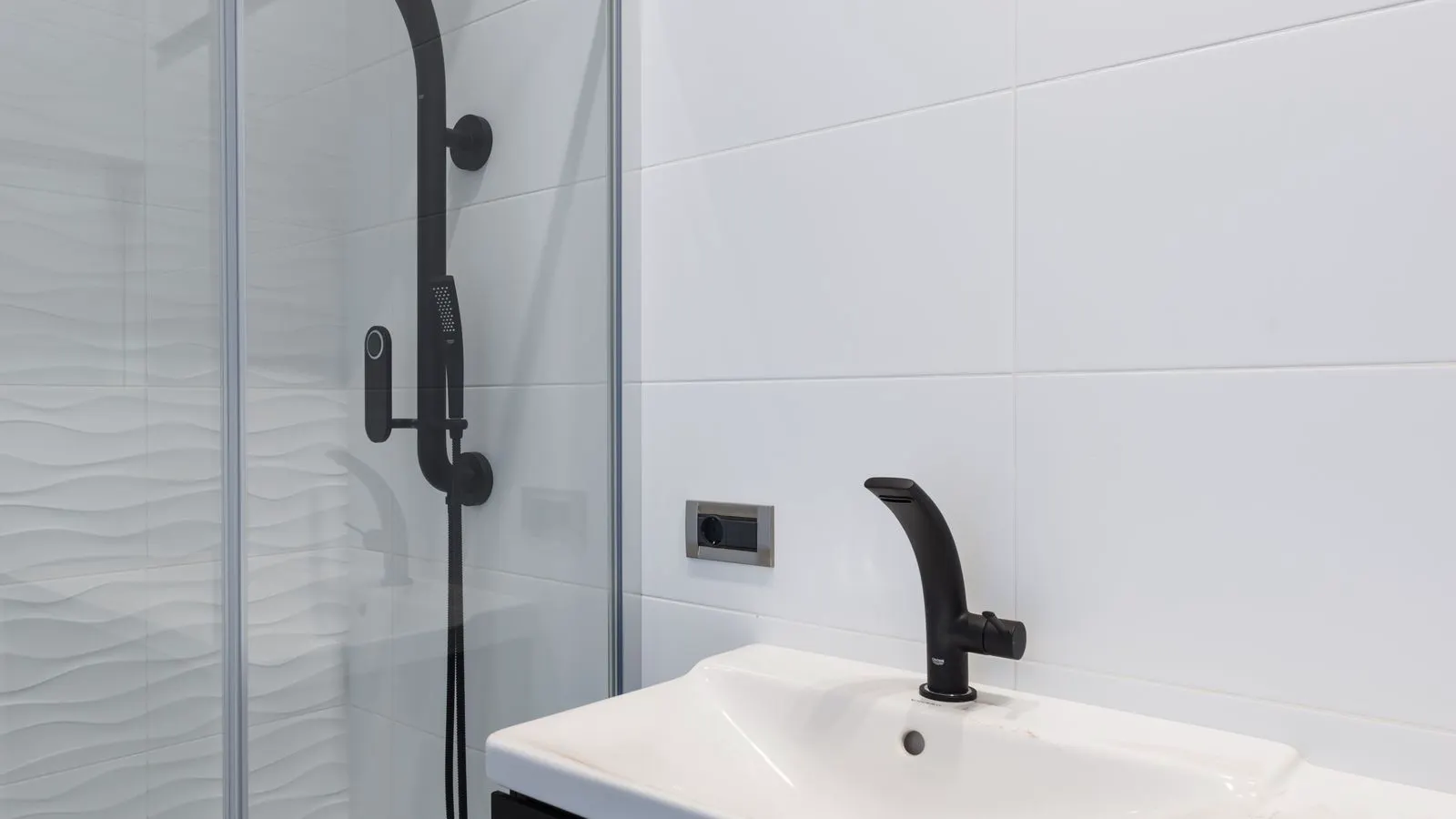
High-traffic bathrooms require sanitary ware that resists wear and supports maintenance. This guide outlines material shifts in ceramics, metals, and polymers, showing

Ceramic and stainless steel bathware carry different import costs and lead times. Ceramic is sensitive to breakage and shipping weight, while stainless steel depends on
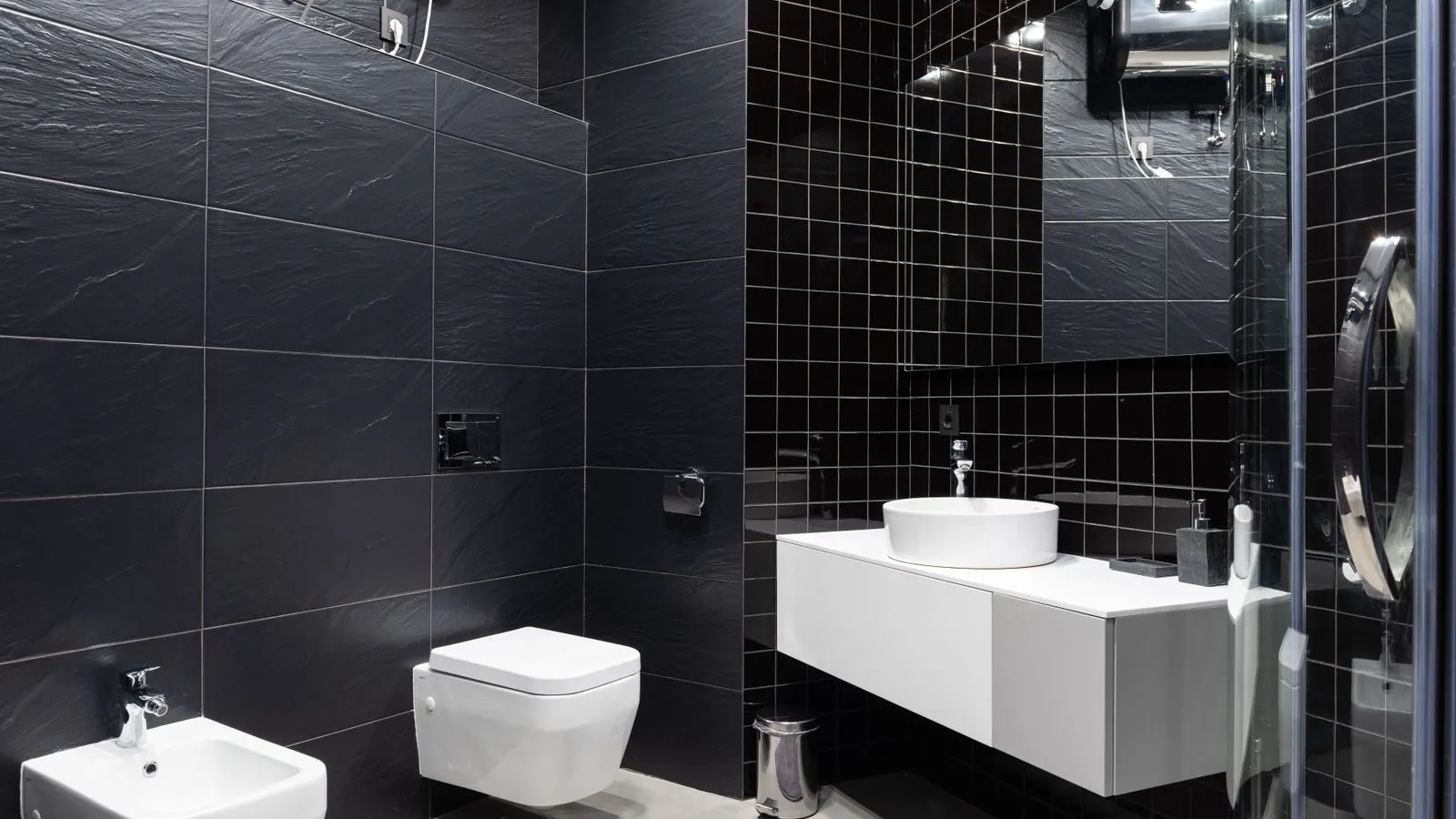
A consistent routine protects ceramic tile and sanitary ware finishes. Use pH-neutral cleaners, soft cloths, and the right tools to remove soap scum and prevent
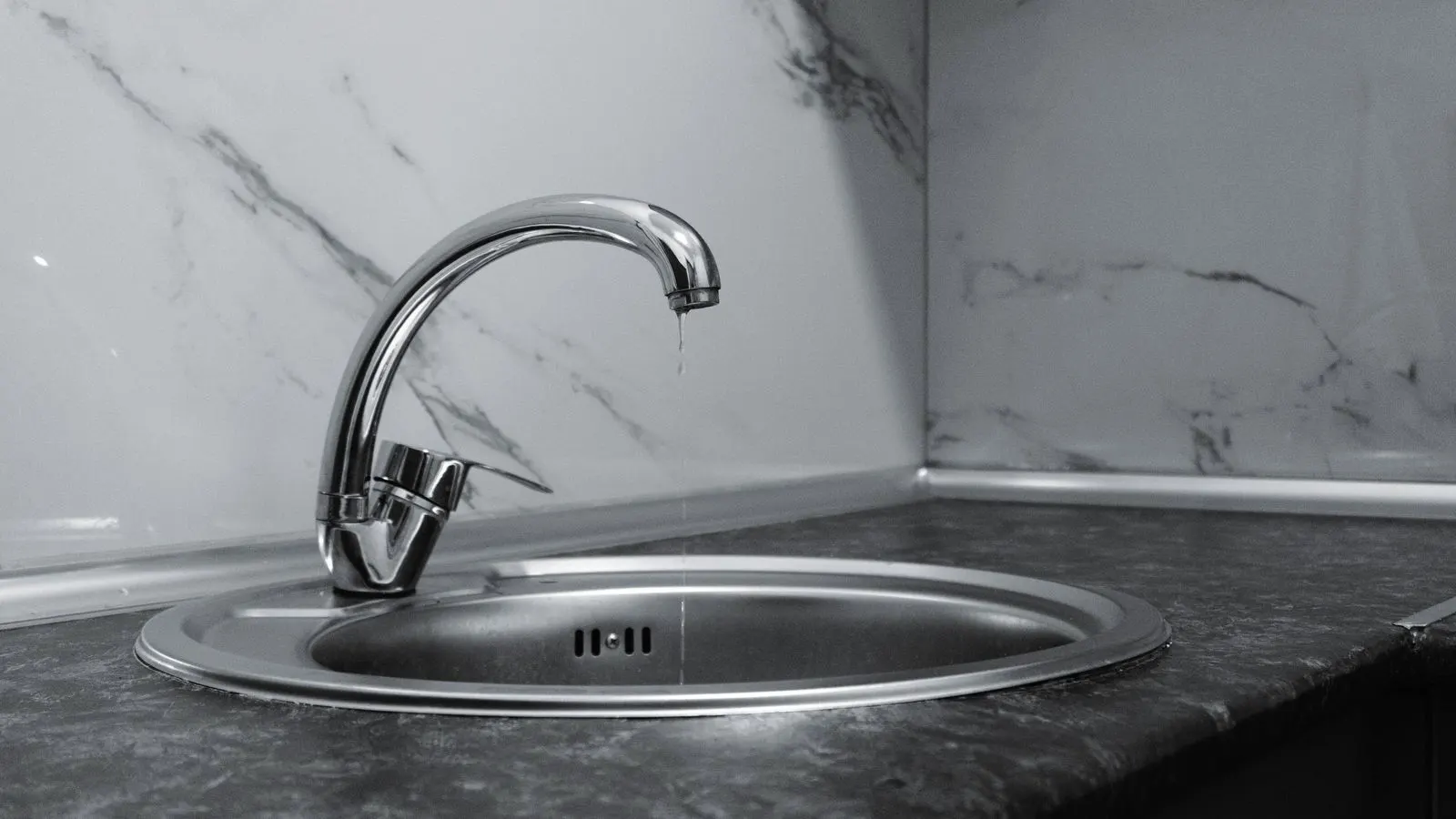
Chrome fitting discoloration usually results from water spots, soap scum, or surface oxidation. You can restore the finish using distilled water, vinegar, or mild
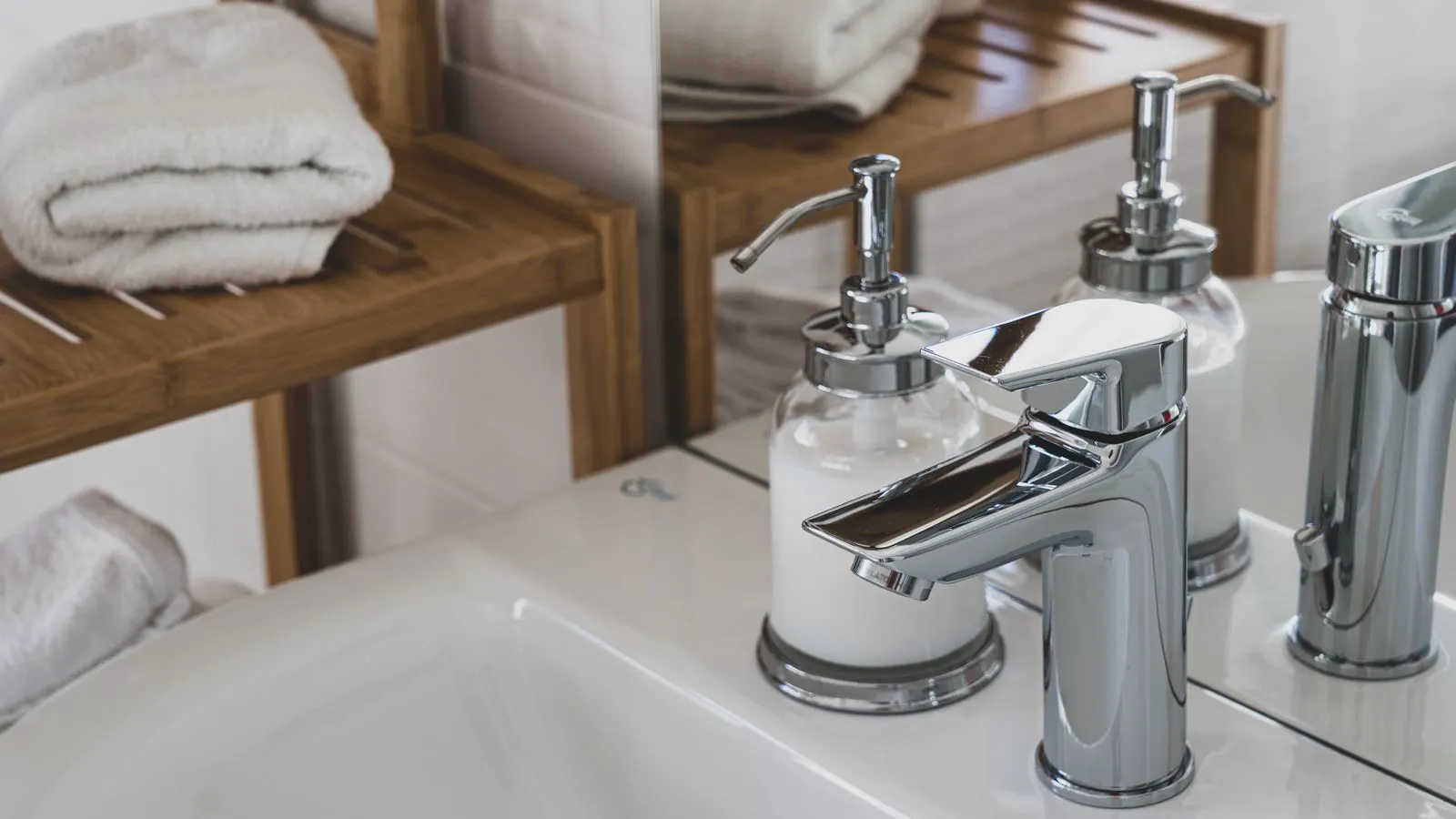
Chrome finish durability varies by plating method. Thick nickel base layers and hard chrome processes resist scratches and corrosion better than standard soft chrome.