Cost and Lead Time for PEX vs Brass Bathroom Plumbing
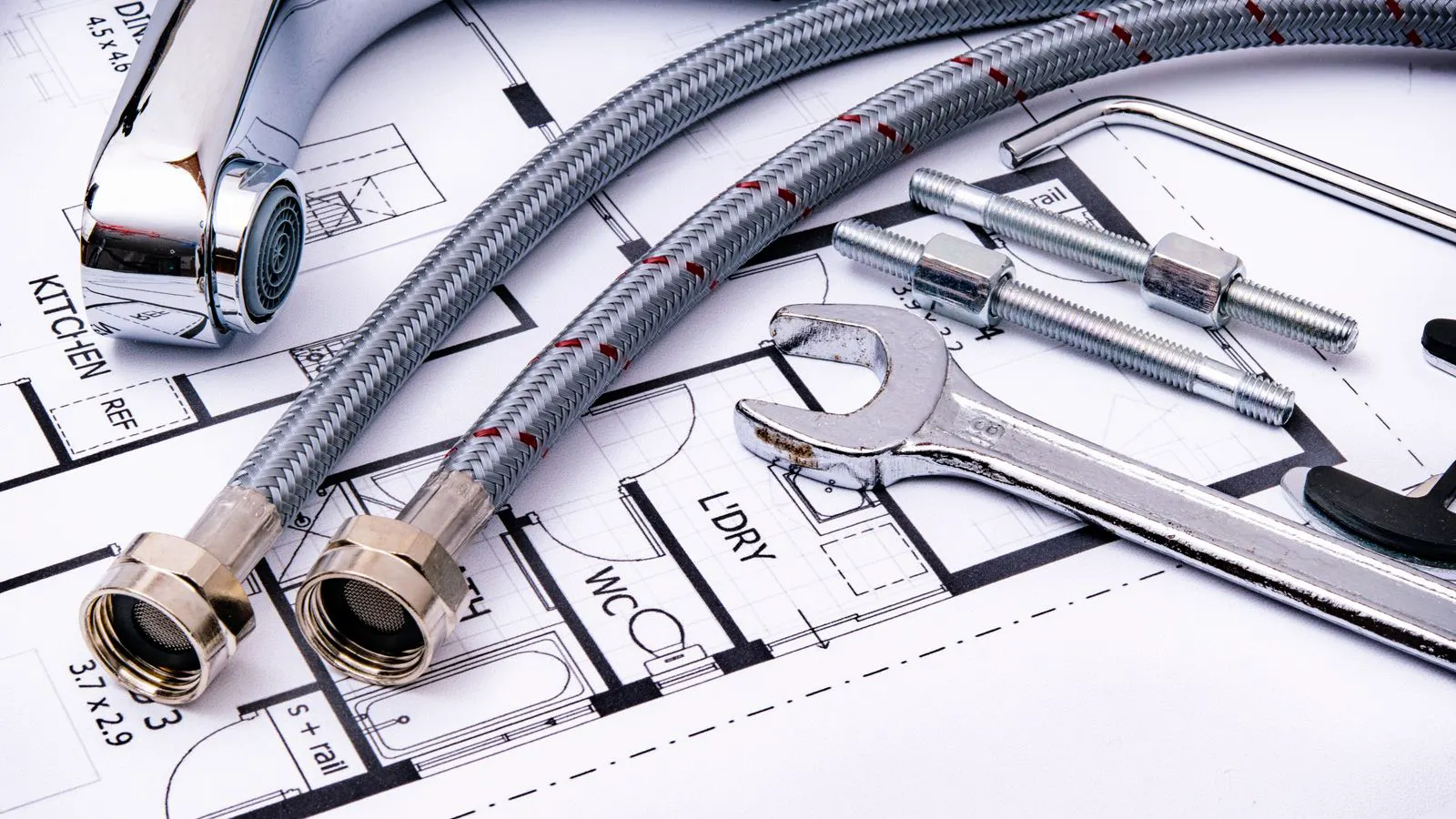
PEX and brass offer different trade-offs for bathroom plumbing cost and lead time. PEX is generally less expensive and faster to install, while brass carries a higher upfront cost but offers durability. Supply chain speed depends on regional availability and certification status.
- PEX usually lowers upfront bathroom plumbing cost and shortens installation time, while brass raises material expense but extends service life.
- Lead time is driven less by material type and more by regional stock, certification status, and minimum order quantities.
- A clear RFQ that lists pipe length, fittings, pressure ratings, and required certifications helps you compare quotes fairly.
- Brass often faces longer delivery windows when alloy specifications or plating requirements differ between suppliers.
- Always verify that both pipe and fittings meet local pressure and safety standards before approving a quote.
Why Material Choice Drives Upfront Cost
Bathroom plumbing cost is rarely determined by a single line item. It is the sum of pipe, fittings, labor, and the time the job sits idle waiting for parts. PEX and brass sit at opposite ends of that spectrum.
PEX is a cross-linked polyethylene pipe. It is flexible, lighter, and often cheaper per meter than copper or brass. Because it bends around obstacles without many elbows, installers use fewer joints. Fewer joints mean less labor and a lower risk of leaks during pressure testing.
Brass is a copper alloy. It is rigid, heavy, and requires more cutting, threading, or soldering. The material cost is higher, and the labor cost is higher too. But brass resists UV degradation and heat better than most plastics. It also does not creep under constant pressure. In high-traffic commercial bathrooms, that durability can offset the upfront premium over a long service life.
The difference is not just material. It is also how the system is designed. A PEX run might use push-fit or crimp fittings. A brass run might use threaded joints with PTFE tape or soldered connections. Each approach changes the quote in predictable ways.
What Moves the Lead Time
Plumbing lead time is shaped by three forces: local stock, certification status, and order complexity.
PEX tends to move quickly in most markets. It is produced in large volumes, and many distributors keep standard lengths on hand. If a project needs 20 meters of 16 mm PEX in a common wall color, the delivery window is often short.
Brass is more variable. Small-diameter brass pipe for residential bathrooms is common, but specialty alloys, plated finishes, or specific pressure ratings may not be stocked. If the brass is imported from a distant manufacturing region, lead time extends. If the supplier must verify that the alloy meets a specific national standard, the delay can be even longer.
Certification adds another layer. A pipe that lacks the required pressure test certificate or material declaration may sit in a warehouse even if it is physically present. The buyer cannot accept it. The supplier cannot ship it. The project waits.
In practice, a brass order for a single bathroom project may arrive in a matter of weeks. A brass order for a multi-unit development with a specific alloy and plating may take months. PEX rarely has that problem, but it is not immune. If the required pipe diameter or length is non-standard, even PEX can face a delay.
How to Compare Quotes Without Getting Misled
A quote that lists only “PEX pipe, 50 meters” is not comparable to “brass pipe, 50 meters.” The missing variables are the real cost drivers.
To compare fairly, require each supplier to itemize the following:
- Pipe material and diameter
- Length per run, including waste allowance
- Fitting type and count
- Pressure rating of the system
- Certification documents included with the shipment
- Delivery date, not just “estimated date”
- Minimum order quantity, if any
A supplier who quotes a low per-meter price but charges a high fitting fee may be more expensive overall. A supplier who offers a premium price but includes all fittings and certification documents may save labor and inspection time.
The lead time line matters just as much. A quote that promises delivery in three weeks but requires the buyer to source fittings separately is not faster than a quote that delivers everything in six weeks. The project clock starts when the first part is needed on site, not when the invoice is paid.
Cost Drivers in a Practical Table
The table below lists the main factors that move bathroom plumbing cost and lead time. Use it as a checklist when reviewing proposals.
| Cost Driver | PEX Impact | Brass Impact |
|---|---|---|
| Material per meter | Lower | Higher |
| Fitting count | Fewer due to flexibility | More due to rigidity |
| Labor for installation | Shorter | Longer |
| Certification documentation | Usually standard | May require alloy declaration |
| Minimum order quantity | Low | Often higher for specialty alloys |
| Lead time variability | Low | Higher for imported or plated stock |
The table shows that the material choice is only one part of the equation. The number of fittings, the labor hours, and the documentation burden all feed into the final number. A buyer who looks only at pipe price misses the larger picture.
How to Write a Clear RFQ
A vague request produces a vague quote. If the RFQ asks for “brass bathroom plumbing,” the supplier will guess. If the RFQ asks for “brass pipe, 15 mm diameter, 40 meters, threaded fittings, pressure rating 6 bar, with material declaration,” the supplier can price it accurately.
A strong RFQ for this section of a project should include:
- The number of bathrooms and approximate pipe length per room
- The required diameter and wall thickness
- The type of fittings, such as threaded, push-fit, or soldered
- The pressure rating of the system
- Any required certifications, such as pressure test reports or material declarations
- The delivery date needed on site
- The acceptance criteria, including what happens if a lot fails inspection
This level of detail does not slow the process. It prevents the back-and-forth that wastes weeks. It also makes it easier to spot a quote that is too good to be true. If a supplier cannot price the job accurately, the problem is usually a gap in the specification, not a bad quote.
When Brass Is Worth the Premium
Brass is not always the wrong choice. In some projects, the higher bathroom plumbing cost is justified by the operating environment.
Brass handles heat better than PEX. If the bathroom is near a water heater or boiler, or if hot water runs continuously, brass may last longer. PEX can soften under sustained high temperatures. Brass does not.
Brass also resists mechanical damage. If the pipe runs through a wall that will be drilled, tapped, or modified later, brass is harder to puncture. PEX can be cut with a tool. Brass requires a specific cutter or threading tool.
In commercial settings, brass may be preferred because it is easier for maintenance staff to identify and repair. A threaded brass joint can be replaced without cutting the entire run. PEX may require a new section of pipe and a new fitting.
The premium is real, but it is not universal. A small residential bathroom with short runs and moderate water temperature may not justify brass. A high-rise building with long horizontal runs and frequent maintenance access may.
How Lead Time Affects the Whole Project
A delayed pipe delivery is not just a plumbing problem. It is a project delay. The plumber waits. The plumber’s crew moves to another job. The bathroom shell sits unfinished. The tenant or end user waits.
This is why lead time should be treated as a critical path item. When a supplier gives a delivery date, ask what is included in that date. Is it production? Is it inspection? Is it packaging? Is it transport? If the date is only production, the actual delivery may be weeks later.
For PEX, the risk is lower. For brass, it is higher. That does not mean brass is slow. It means brass requires more planning. If the project schedule has little slack, a brass specification needs a longer lead time allowance. If the schedule has room, the higher upfront cost may be acceptable.
The key is to align the material choice with the project calendar. A bathroom that must be occupied in six weeks may not suit a brass order that takes eight weeks to clear customs and certification. A bathroom that opens in eight months may be fine with brass, and the buyer may even prefer the durability.
Verifying the Quote Before You Sign
Before approving a quote, check three things.
First, confirm that the pipe and fittings come from the same certified lot. A mismatched lot can fail a pressure test even if each part is individually certified.
Second, confirm that the delivery date is a firm date, not a best effort. A firm date protects the project schedule.
Third, confirm that the quote includes all fittings and all required documentation. A low pipe price with a high fitting fee and missing certificates is not a saving. It is a risk.
A clear bathroom plumbing cost comparison is not about picking the cheapest material. It is about picking the material that fits the budget, the schedule, and the operating conditions. PEX and brass both serve a purpose. The job is to specify them correctly so the quote reflects the real cost.
Frequently asked questions
Is PEX always cheaper than brass for bathroom plumbing?
PEX usually has a lower material cost and shorter installation time, but the total project cost depends on fittings, labor rates, and local availability.
Can I mix PEX and brass in the same bathroom plumbing system?
Yes, but the transition point must use a compatible adapter that is certified for the pressure rating and material combination.
What is the biggest factor that slows a brass delivery?
Certification and alloy verification. If the supplier cannot provide the required material declaration or pressure test report, the lot cannot be accepted.
How many meters of pipe should I order for a typical bathroom?
The length depends on the layout, but most residential bathrooms require between 15 and 30 meters of supply and waste pipe. Add a waste allowance of 10 to 15 percent.
Does the lead time change if I order PEX in a non-standard length?
Yes. Standard PEX is usually available in 15, 30, or 50 meter rolls. Non-standard lengths may require cutting from a larger roll or a custom production run, which adds time.