Buying Guide for Acrylic Bathtubs: Key Specifications for Importers
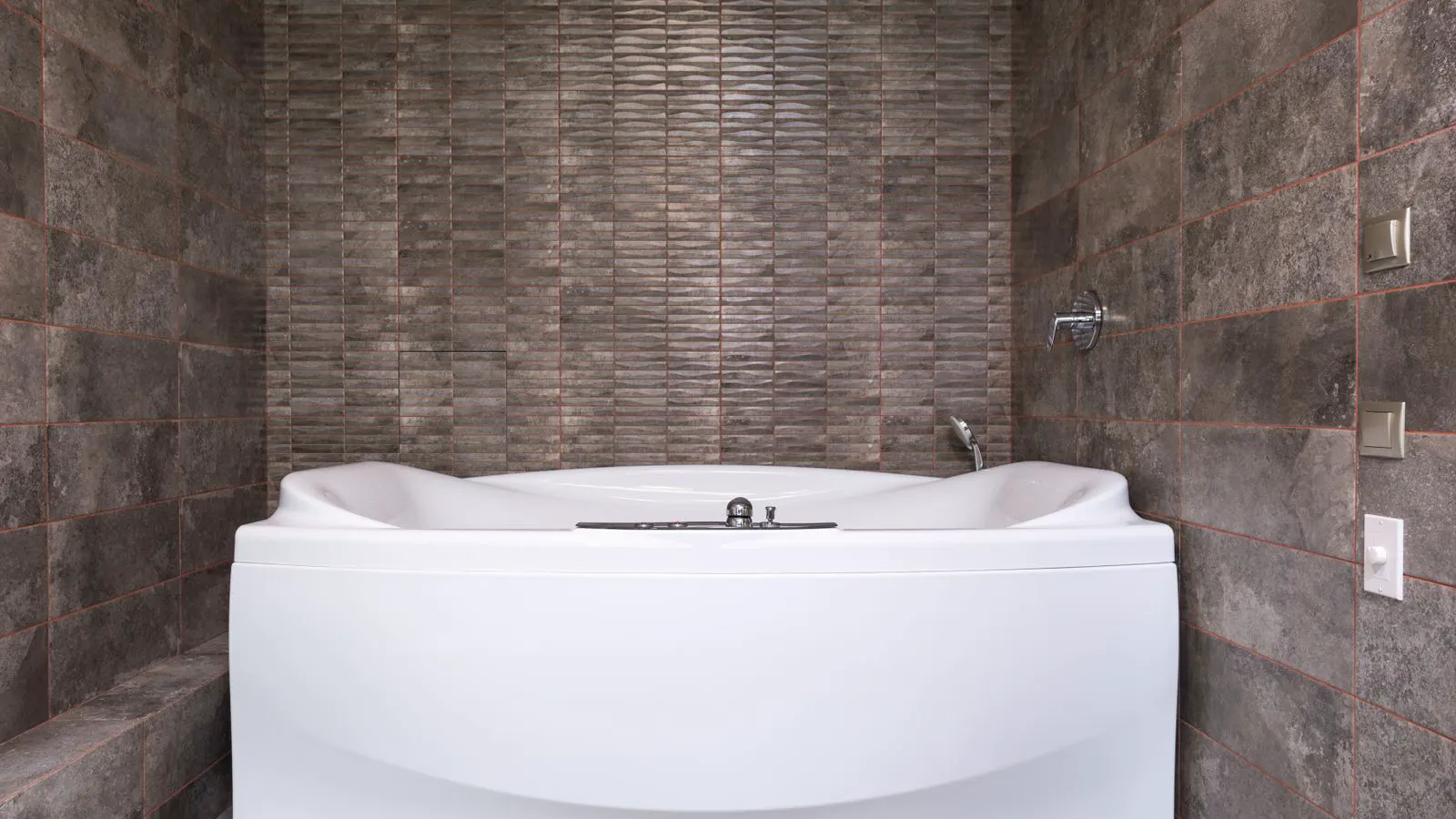
This guide outlines the key specifications for sourcing acrylic bathtubs. It covers material grades, dimensions, support structures, and performance testing to help importers avoid quality issues during procurement.
- Verify the resin composition and wall thickness to ensure structural integrity and heat retention.
- Check the support system, as the base frame determines long-term stability and installation ease.
- Request sample documentation for material grades and finish consistency before placing bulk orders.
- Evaluate the edge treatment and corners, as these areas are most prone to stress cracking over time.
- Confirm packaging and shipping protocols to prevent transit damage to delicate acrylic surfaces.
Understanding the Resin Composition
Acrylic bathtubs are manufactured from poly(methyl methacrylate), often referred to as PMMA. The quality of the final product depends heavily on the resin formulation. Importers must distinguish between pure acrylic and acrylic blends. Pure acrylic offers superior transparency, UV stability, and resistance to yellowing. However, many manufacturers use a blend of acrylic and other thermoplastics to reduce cost.
When reviewing supplier specifications, ask for the exact material grade. A generic description of “acrylic” is insufficient. The data sheet should identify the resin type and any additives used for UV protection or anti-microbial treatment. UV stabilizers are particularly relevant for bathtubs located near windows or in sunlit bathrooms. Without them, the surface can degrade over time, leading to a hazy or yellow appearance.
The thickness of the acrylic shell is the next major factor. Thicker walls provide better structural rigidity and heat retention. For standard residential bathtubs, a wall thickness between 8 and 12 millimeters is typical. For freestanding or larger models, the thickness may need to be higher to prevent flexing. Thin shells are cheaper to ship and produce but are more susceptible to denting and cracking during handling.
Evaluating Wall Thickness and Structural Integrity
Wall thickness is not uniform across all parts of the tub. The base and sides usually have different thicknesses. The base must support the weight of water, which can exceed 100 kilograms in a standard tub. The sides can be slightly thinner if the base is reinforced. Request a cross-section drawing or a dimensional profile from the supplier. This will show where the material is thickest and where it is thinnest.
Bending is a common failure point. A well-designed acrylic tub uses a curved profile that distributes stress evenly. Sharp internal corners create stress concentrations that can lead to hairline cracks. Look for smooth, gradual curves in the internal geometry. The external corners should also be rounded. A sharp external edge is not only a safety hazard for users but also a weak point in the material.
During inspection, check the surface finish. High-quality acrylic has a smooth, non-porous surface that is easy to clean. A matte or textured finish may hide minor imperfections but is harder to maintain. Glossy finishes are more common for premium products. Scratches on the surface can be polished out, but deep gouges will remain visible. The finish should be consistent across the entire shell. Variations in gloss or color indicate poor quality control.
Support Systems and Installation Requirements
An acrylic bathtubs cannot stand on its own. The material requires a robust support structure. There are two main types of support systems: a metal frame and a foam base. The metal frame is traditional and provides strong support. It usually consists of a galvanized steel or aluminum frame with adjustable feet. The foam base is lighter and easier to handle. It is often used in modern freestanding designs.
The choice of support system affects the installation process. Frame-based tubs require the installer to level the feet on the floor. Foam-based tubs often rely on the weight of the tub itself and the structure of the surrounding walls. For importers, the support system is a critical part of the product specification. A tub with a weak support system may crack during installation or use.
Check the attachment points between the tub and the support. These are usually welded or riveted. Loose attachments will vibrate and cause noise. Tight attachments prevent movement and ensure stability. Request a sample of the support assembly. Test the connection points by applying lateral force. Any play or movement indicates a poor joint.
Dimensions and Ergonomics for Bathroom Design
Bathtub dimensions vary widely, but a few key measurements determine usability. The length, width, and depth are the primary dimensions. Standard residential tubs are around 150 to 180 centimeters long. Freestanding tubs can be larger. The width should allow for comfortable entry and exit. A width of 70 to 80 centimeters is typical. The depth affects the amount of water needed and the ease of cleaning.
Ergonomics are often overlooked in import decisions. The slope of the tub floor is important. A gentle slope helps water drain away from the user. A steeper slope can make standing in the tub uncomfortable. The headrest area should be contoured to support the neck and head. A flat headrest is less comfortable and may cause strain during a long soak.
Consider the drainage point. It should be centered or slightly offset to match the standard floor drain location. An off-center drain may require a non-standard floor preparation. The overflow hole should be positioned to prevent water from spilling over the edge. The size of the overflow opening affects the drain rate. A smaller opening drains slower, which can be a nuisance during cleaning.
Surface Finish and Aesthetic Consistency
The surface finish of acrylic bathtubs is a major selling point. A high-quality finish is smooth, glossy, and uniform. It resists water spots and soap scum. Low-quality finishes may have a dull appearance or uneven gloss. These defects are often caused by poor polishing or the use of low-grade resin.
Color consistency is another factor. Many acrylic tubs are available in white or off-white. The white color should be consistent across the entire surface. Variations in color can occur due to uneven curing or the use of different resin batches. Request a color sample before ordering. Compare it to the standard white used in the region. Off-white shades can vary significantly between manufacturers.
Texture is a minor but noticeable detail. Some acrylic tubs have a subtle texture to improve grip. Others are perfectly smooth. The texture should be uniform. A rough or gritty texture indicates poor finishing. A smooth surface is easier to clean and maintain. For bathroom design, the finish should complement the surrounding fixtures. A glossy white tub pairs well with modern fixtures, while a matte finish suits more traditional settings.
Quality Control and Documentation
Importers rely on documentation to verify product quality. The supplier should provide a material certificate of conformity. This document lists the resin type, additives, and thickness specifications. It also confirms that the product meets relevant industry standards. Without this document, it is difficult to verify the quality of the product.
Request sample batches for inspection. Check the surface for pinholes, bubbles, or discoloration. Pinholes are small voids that form during the casting process. They indicate poor temperature control or vacuum application. Bubbles are trapped air pockets. Both defects are signs of manufacturing issues. A consistent sample batch indicates good quality control.
Third-party inspection is recommended for large orders. An independent inspector can verify the dimensions, finish, and support system. They can also check the packaging and labeling. The label should include the model number, dimensions, and care instructions. Missing or incorrect labels can cause issues during installation and after-sales support.
Shipping and Packaging Considerations
Acrylic is brittle and can crack if subjected to excessive force during shipping. Proper packaging is essential. The tub should be wrapped in protective foam or bubble wrap. Corners and edges need extra protection. The tub should be placed in a sturdy wooden crate or a heavy-duty cardboard box. The packaging should be labeled with “Fragile” and “This Side Up”.
The transport environment matters. Acrylic is sensitive to temperature changes. Extreme heat can soften the material, while extreme cold can make it brittle. The shipping container should be climate-controlled if possible. For sea freight, the tub should be packed to withstand the humidity and temperature fluctuations of the ocean.
Handle the tub with care during unloading. Use a forklift or a hydraulic lift. Do not lift by the edges. The weight of a full tub can be heavy. The support system should be intact during shipping. If the frame is damaged, the tub may crack when placed on the floor.
Decision Checklist for Importers
Before placing an order, review the following checklist.
- Confirm the resin grade and material composition.
- Verify the wall thickness and structural profile.
- Check the support system design and attachment quality.
- Review the dimensions and ergonomic features.
- Inspect the surface finish and color consistency.
- Request material certificates and sample batches.
- Confirm the packaging and shipping protocols.
This checklist ensures that the product meets the required specifications. It also helps identify potential issues before shipment. A thorough review can save time and money in the long run.
Frequently asked questions
What is the minimum wall thickness for an acrylic bathtub?
A minimum wall thickness of 8 millimeters is generally recommended for standard residential bathtubs. Thicker walls provide better structural support and heat retention.
Can acrylic bathtubs be repaired?
Minor scratches can be polished out. Deep cracks or gouges are difficult to repair and may affect the structural integrity of the tub.
How long does an acrylic bathtub last?
With proper care, an acrylic bathtub can last for many years. The lifespan depends on the quality of the material and the maintenance routine.
What is the difference between acrylic and solid surface bathtubs?
Acrylic is a thermoplastic that is cast into shape. Solid surface is a composite material made from minerals and resin. Acrylic is generally lighter and less expensive.
Do acrylic bathtubs yellow over time?
Yes, acrylic can yellow over time if exposed to UV light without proper stabilizers. UV-protected acrylic resins resist yellowing better.