Frameless Glass vs Framed Shower Enclosures: A Material and Cost Comparison
Frameless glass enclosures offer a cleaner aesthetic and easier cleaning but cost more due to complex hardware. Framed enclosures are more affordable and structurally forgiving but require regular maintenance. The choice depends on budget and design goals.
- Frameless enclosures use heavy glass and specialized clamps, offering a minimalist look but at a higher price point.
- Framed enclosures use a metal structure, which is cheaper to install and easier to repair, but adds visual weight.
- Maintenance differences are significant; frames collect grime, while frameless panels rely on the quality of the sealant.
- Structural integrity depends on correct glass thickness and proper installation, regardless of the frame type.
- Long-term cost includes not just purchase price but also the frequency of part replacement and cleaning effort.
Structural Differences in Frameless and Framed Systems
The primary difference between these two options is how the glass is supported. Frameless enclosures rely on glass-to-glass contact points, heavy-duty brackets, and corner posts. The glass itself bears the majority of the structural load. This requires thicker glass, typically 10mm or 12mm, to prevent flexing when users lean on the panels. In practice, this means the glass must be thick enough to resist the static weight of the panel plus the dynamic load of a person leaning against it. If the glass is too thin, the panel will bow slightly inward, which creates an uneven seal at the top or bottom edge. Over time, this uneven pressure can stress the silicone sealant or the metal clamps, leading to premature failure. The thickness of the glass is not just a matter of appearance; it is a structural requirement that dictates the overall stability of the unit.
Framed enclosures use a metal skeleton, usually aluminum or stainless steel, to support the glass. The glass acts as an infill panel rather than a structural element. This allows the use of slightly thinner glass, often 8mm, because the frame handles the impact and weight. The frame also defines the boundaries of the enclosure, making the unit more rigid and less prone to shifting over time. The metal profile absorbs the shock of accidental impacts, such as a person bumping the door or a cleaning cart hitting the corner. Because the frame carries the load, the glass does not need to be as thick, which can reduce the overall weight of the unit and simplify the mounting process.
For high-traffic commercial installations, the rigidity of a framed system can be a practical advantage. The frame provides a clear point of failure if a component breaks. A cracked panel in a framed system is usually an isolated problem. You can replace the single pane of glass without disturbing the rest of the structure. In a frameless system, a failure at a clamp or a corner post can compromise the stability of the entire unit, requiring more complex re-assembly. If a corner post loosens, the adjacent panels may lose their vertical alignment, causing the whole enclosure to shift. This makes frameless installations more sensitive to installation quality and long-term maintenance.
Aesthetic Impact and Visual Weight
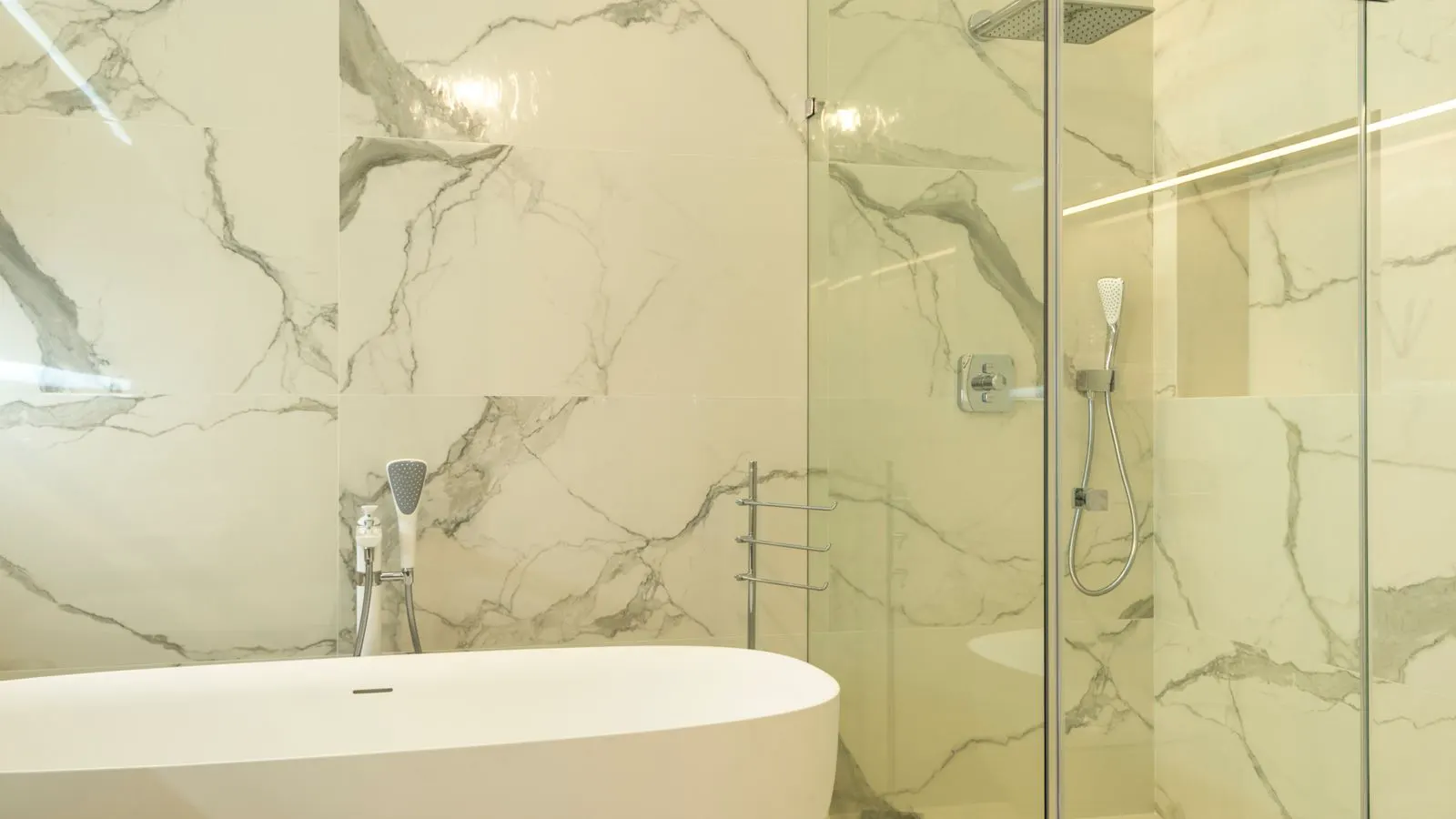
Design teams often choose frameless enclosures to maintain sight lines and minimize visual interruption. In a contemporary bathroom design, the absence of metal frames allows the tile work and the water flow to remain the focal point. The glass appears to float, which creates a sense of openness. This visual effect is particularly effective in bathrooms with large windows or open-plan layouts, where the goal is to maximize the perception of space. The lack of vertical metal bars reduces the fragmentation of the view, making the room feel larger and more cohesive.
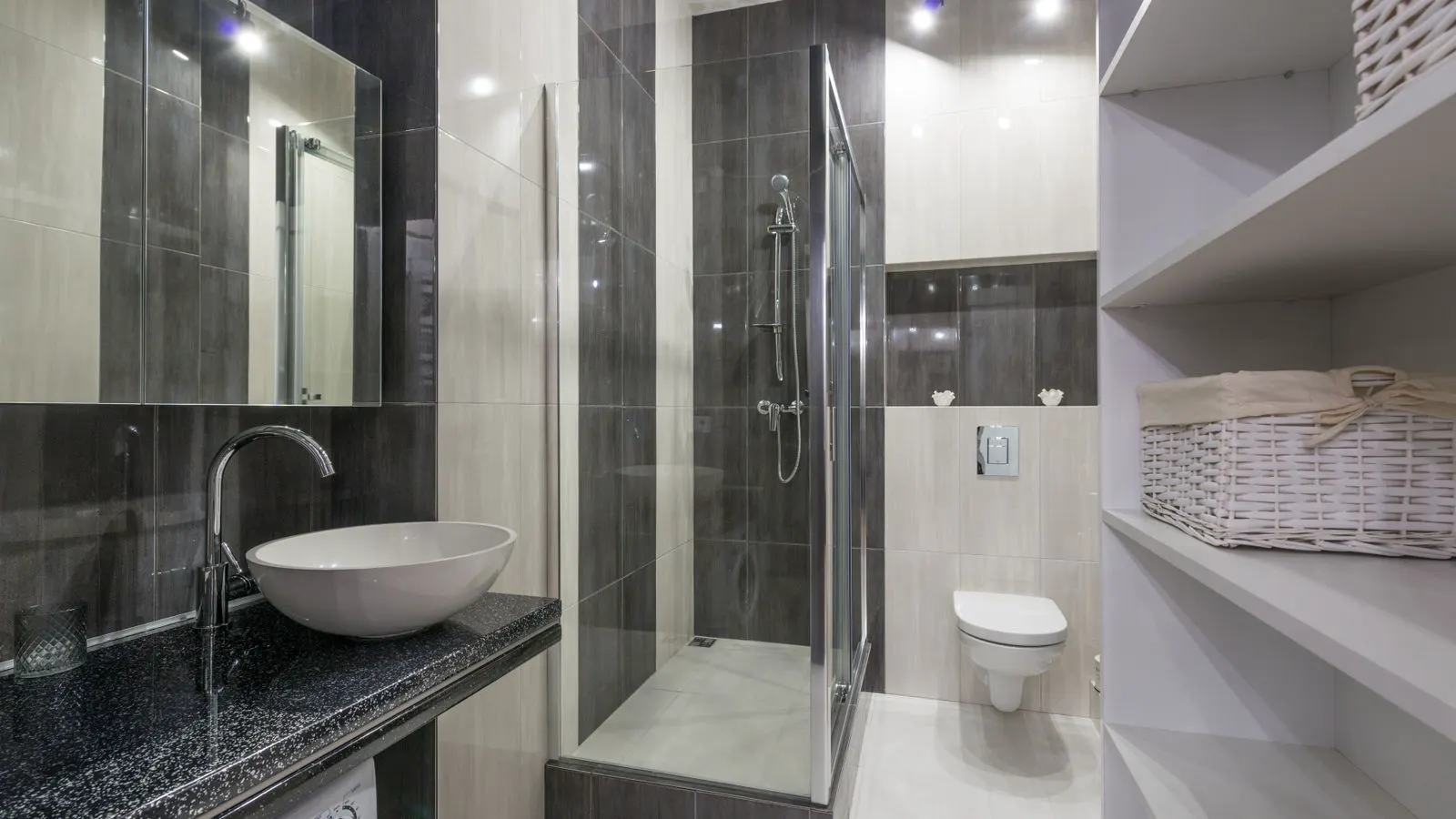
Framed enclosures introduce horizontal and vertical lines. The metal profile can be brushed, polished, or colored to match the fixture suite. However, the frame itself becomes a design element that must be coordinated with the rest of the room. In smaller bathrooms, a heavy frame can make the space feel cramped and dark. The metal lines can visually cut through the space, reducing the sense of continuity. In larger, open-plan showers, the frame can add a sense of structure and order, providing a clear definition for the wet area. It can also serve as a design feature if the profile is distinctive or if the finish contrasts with the surrounding materials.
The choice of hardware finish affects the longevity of the look. Stainless steel and aluminum frames can corrode or pit if exposed to harsh cleaning chemicals. Frameless hardware, such as stainless steel clamps and hinges, also requires regular polishing to maintain a reflective finish. In commercial settings, where cleaning agents may be more aggressive, the finish of the hardware is a critical consideration. A frameless system with polished stainless steel hardware will show fingerprints, water spots, and minor scratches more readily than a framed system with a matte or textured finish. This affects the visual perception of cleanliness, even if the glass itself is clean.
Cost Breakdown and Procurement Considerations
The initial purchase price of a frameless enclosure is generally higher than that of a framed one. This cost difference stems from the material used for the glass and the complexity of the hardware. Frameless systems require precision-cut glass and high-grade stainless steel or aluminum fittings. The tolerance for error is low. A small misalignment in the cut can prevent the panel from seating correctly in the clamp. This precision requirement adds to the manufacturing cost, as the glass must be cut to exact dimensions, often with a tolerance of less than a millimeter. The hardware must also be matched precisely to the glass thickness and the mounting points.
Framed enclosures are more cost-effective to manufacture. The metal frame can be standardized, reducing production costs. The glass is often cut to a standard size, making it easier to source. For large procurement orders, the economies of scale favor framed systems. The frame components can be produced in bulk, and the assembly process is more straightforward, reducing labor costs during manufacturing. This makes framed enclosures a more attractive option for projects with tight budgets or for large-scale residential developments where cost efficiency is a priority.
However, the total cost of ownership extends beyond the purchase price. Frameless enclosures are easier to clean. There are no frame crevices where soap scum and limescale can accumulate. This reduces the labor time required for maintenance. Framed enclosures require careful attention to the gaskets and the frame corners. Over time, the rubber seals can harden and crack, leading to leaks that require replacement. The cost of replacing seals and frames over a decade can add up, particularly in commercial environments where maintenance schedules are frequent. Buyers must consider the long-term maintenance costs when evaluating the initial investment.
| Option | Best for | Limitations |
|---|---|---|
| Frameless | Modern aesthetics, easy cleaning, premium finishes | Higher initial cost, complex installation, strict tolerance requirements |
| Framed | Budget-conscious projects, easier repair, standard sizes | Visual weight, higher maintenance for seals, potential for frame corrosion |
| Cornerless | Tight spaces, custom fits, specific architectural needs | More expensive than standard frameless, requires precise measurement |
| Walk-in | Open concepts, accessibility, large floor space | Requires careful drainage design, higher glass volume, more hardware |
Installation and Tolerance Requirements
Installing a frameless enclosure is a precision task. The glass panels must be cut to exact dimensions. The floor must be perfectly level. Any deviation in the base or the wall surface will result in gaps at the top of the panel. These gaps can allow water to escape the shower area, creating a nuisance for the user and potential damage to the surrounding finishes. In practice, the installer must check the level of the floor and the verticality of the walls before mounting the glass. If the floor is not level, the base of the glass will not sit flush, creating a gap that water can leak through. This often requires the use of shims or the adjustment of the mounting hardware to compensate for the uneven surface.
Framed enclosures are more forgiving. The frame can absorb minor irregularities in the wall or floor. Adjustments can be made to the frame during installation to ensure a tight fit. This makes the installation process faster and less dependent on perfect site conditions. For renovation projects where the existing structure is not ideal, a framed system is often the more practical choice. The frame can be adjusted to fit around pipes, fixtures, or uneven surfaces, ensuring that the enclosure remains watertight. This flexibility makes framed systems easier to install in older buildings or in sites with imperfect finishes.
The skill level of the installer matters significantly for frameless systems. Incorrect placement of the hinges or clamps can put excessive stress on the glass, leading to micro-fractures over time. These fractures are often invisible until the panel fails under pressure. The installer must ensure that the clamps are tightened to the correct torque and that the hinges are aligned properly. Any deviation in the mounting process can compromise the structural integrity of the glass, leading to a sudden and dangerous failure. This makes the selection of a qualified installer critical for frameless installations.
Maintenance and Longevity
The maintenance profile of these two options differs in both frequency and type. Frameless enclosures require regular cleaning of the glass and the hardware. The sealant between the glass and the wall or floor is a critical component. Silicone sealants degrade over time, especially in environments with high humidity and frequent hot water use. Re-sealing is a routine task that must be performed by a trained technician. The sealant must be applied correctly to ensure a watertight bond. If the sealant is not renewed, water can seep behind the glass, causing damage to the wall or floor underneath.
Framed enclosures require maintenance of the gaskets and the frame. The rubber gaskets that prevent water leakage from the frame joints must be inspected regularly. If a gasket fails, water can seep into the frame, causing the metal to corrode. The frame itself can be painted or anodized to resist corrosion, but this does not eliminate the need for regular cleaning. The gaskets must be replaced periodically to maintain the watertight integrity of the enclosure. In commercial settings, where the shower is used frequently, the gaskets may need to be replaced more often than in residential settings.
In terms of longevity, both options can last for many years if maintained correctly. The glass in both systems is highly durable and resistant to scratches and stains. The hardware and seals are the weak points. For frameless systems, the hardware is exposed and subject to direct impact. For framed systems, the seals are hidden but subject to constant moisture. The lifespan of the enclosure depends on the quality of the materials used and the consistency of the maintenance routine. High-quality hardware and regular cleaning can extend the life of both frameless and framed enclosures significantly.
When to Choose Frameless or Framed
The decision between frameless and framed glass enclosures should be based on a balance of budget, design intent, and maintenance capacity. If the project prioritizes a minimalist aesthetic and the budget allows for a higher initial investment, a frameless enclosure is the appropriate choice. It offers a cleaner look and lower long-term cleaning costs. The absence of frames reduces the visual clutter, making the bathroom feel more spacious and modern. This option is particularly suited for luxury residential projects or high-end commercial spaces where the visual impact of the bathroom is a key factor in the overall design.
If the project requires a lower initial cost, easier installation, or if the site conditions are not ideal, a framed enclosure is the better option. It is more robust in terms of structural integrity and offers a clear pathway for repairs. The visual impact of the frame can be mitigated by choosing a slim profile or a finish that blends with the surrounding materials. Framed enclosures are also easier to repair, as individual components can be replaced without disturbing the entire structure. This makes them a practical choice for hotels, hostels, or multi-unit residential buildings where maintenance access and cost efficiency are priorities.
Procurement teams should also consider the availability of replacement parts. Frameless hardware is often proprietary to specific manufacturers. Finding an exact match for a broken clamp or hinge can be difficult and time-consuming. This can lead to extended downtime if a component fails and a replacement is not immediately available. Framed enclosures use more standardized components, making it easier to source replacements. This standardization reduces the risk of delays in repair and ensures that the enclosure can be maintained consistently over time.
Final Thoughts on Material Selection
The choice of material and construction for shower enclosures is a key factor in the overall performance of the bathroom. Frameless and framed systems offer distinct advantages and disadvantages. Frameless systems excel in aesthetics and ease of cleaning, while framed systems offer cost-effectiveness and structural robustness. The decision should be guided by the specific requirements of the project, including the expected usage, the design goals, and the maintenance resources available.
Engineers and buyers should evaluate the specific requirements of the project. Site conditions, budget constraints, and long-term maintenance plans should all be considered. By understanding the structural, aesthetic, and financial differences, decision-makers can select the enclosure type that best fits their needs. It is important to consider the long-term implications of the choice, including the availability of replacement parts and the ease of maintenance. A well-informed decision ensures that the enclosure performs reliably and maintains its appearance over time.
Frequently asked questions
What is the typical glass thickness for frameless shower enclosures?
Frameless enclosures usually use 10mm or 12mm tempered glass to support their own weight. This thickness provides the necessary rigidity to prevent flexing when used.
How often do the seals on a framed enclosure need replacement?
The rubber gaskets on a framed enclosure should be inspected regularly. Replacement is often needed every few years, depending on the quality of the materials and the usage frequency.
Can you use standard framed enclosures in a custom shower design?
Yes, but the frame may need to be modified to fit specific shapes or sizes. This can increase the cost and complexity of the project compared to a standard installation.
Is frameless glass harder to clean than framed glass?
No, frameless glass is generally easier to clean because there are no frame crevices for dirt to accumulate. The focus is on the glass surface and the hardware.
What is the main risk with frameless enclosures?
The main risk is improper installation. If the glass is not cut to precise tolerances or if the hardware is not installed correctly, the panel can become unstable and may crack over time.