Acrylic vs Solid Surface Bathtubs: Durability and Maintenance Outlook
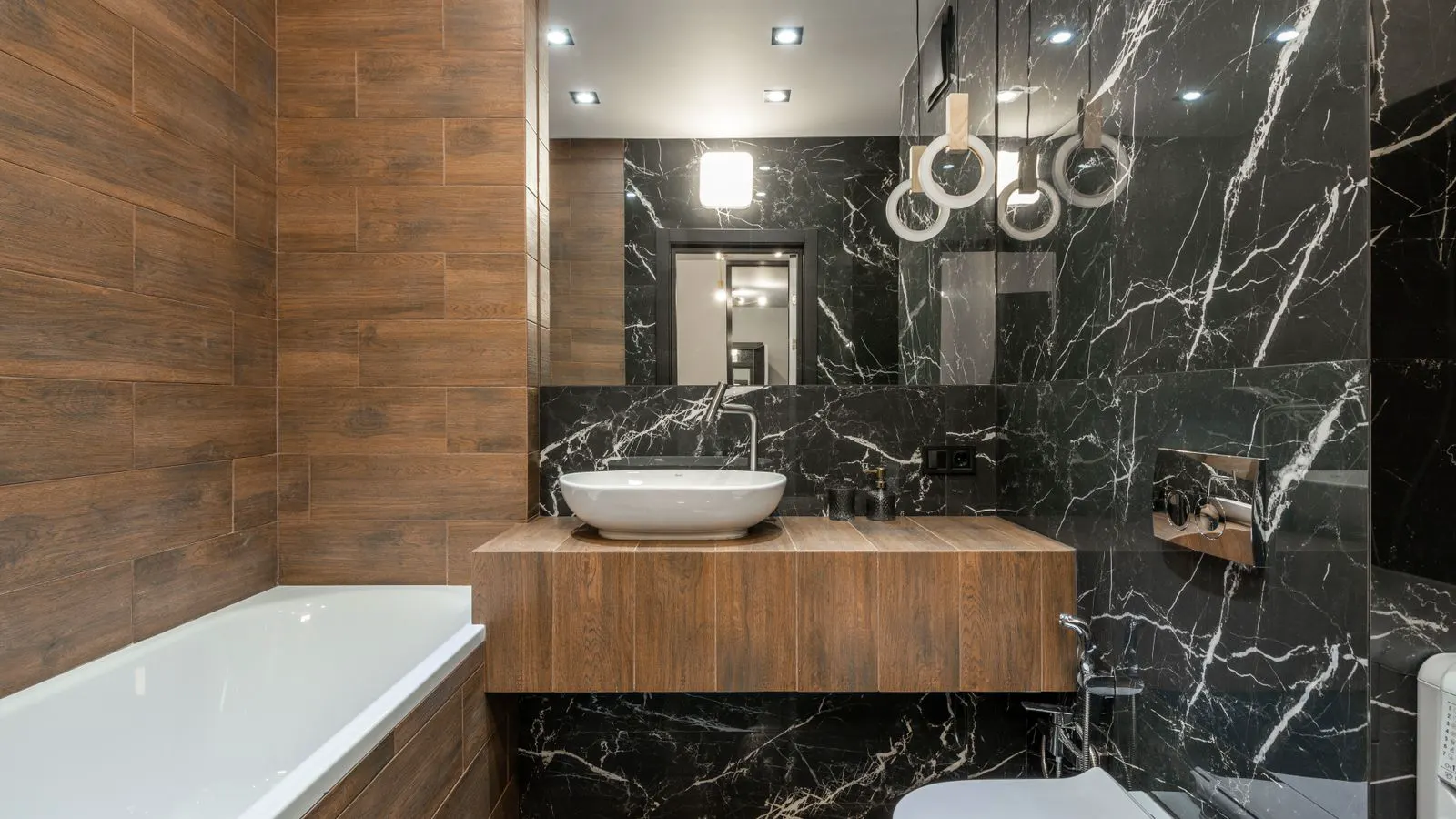
Acrylic and solid surface bathtubs both offer modern aesthetics, but they differ in long-term upkeep. Acrylic is easier to repair but softer. Solid surface resists scratches better but requires specialized refinishing. Choose based on maintenance access and expected wear.
- Acrylic bathtubs are softer and more prone to surface scratches, but minor damage can often be repaired with standard refinish kits.
- Solid surface bathtubs resist everyday wear better, though deeper cuts require specialized polishing equipment and trained labor.
- Maintenance planning should account for local water conditions, as hard water accelerates surface degradation on both materials.
- Commercial projects should prioritize easy access for refinish crews and plan for periodic cosmetic touch-ups.
- Residential buyers should match material choice to their willingness to perform regular cleaning and periodic refinishing.
How material softness affects long-term surface condition
Acrylic bathtubs are made from cast acrylic sheets that cure into a rigid but relatively soft surface. Solid surface bathtubs combine resin fillers with acrylic or other binders to create a denser, harder finish. This difference in density shapes how each material handles daily use.
Acrylic shows wear faster. A dropped bar of soap or a rough sponge can leave shallow white marks. Over several years, these marks accumulate into a cloudy appearance. Solid surface handles the same impacts better. The denser matrix resists minor abrasion, and the surface stays clearer under normal cleaning.
The trade-off is repair complexity. Acrylic can be refinished with standard products available to many contractors. Solid surface requires specific polishing compounds and mechanical equipment to restore a smooth finish. A contractor who works with acrylic may not have the training or tools for solid surface.
What shifts to expect in maintenance routines
Buyers should plan for five to six maintenance shifts over the life of a bathtub. Each shift represents a change in how the surface behaves and how it must be treated.
-
Initial curing period. New tubs need a settling time before aggressive cleaning. Acrylic benefits from a gentle first month of use to allow the surface to stabilize. Solid surface also settles, though the resin is already fully cured at installation.
-
Water hardness adaptation. Hard water deposits calcium and magnesium on tub surfaces. Acrylic shows these deposits as white haze more quickly. Solid surface also accumulates scale, but the denser surface makes it easier to remove with standard acid-free cleaners.
-
Cleaning product changes. Over time, buyers may switch from mild cleaners to stronger solutions. Acrylic cannot tolerate harsh solvents or abrasive pads. Solid surface tolerates a wider range of products, though acid cleaners can still damage the resin if left to dwell too long.
-
Refinishing frequency. Acrylic typically needs cosmetic touch-ups every few years in residential use. Solid surface may go longer before refinishing is needed. Commercial spaces may require refinishing more often, depending on foot traffic and cleaning protocols.
-
Repair method adjustment. As minor damage appears, buyers may need to shift from simple polishing to more involved repair. For acrylic, this means applying a refinish kit and buffing. For solid surface, it means hiring a specialist with proper equipment.
-
Surface replacement planning. Even with good care, tubs eventually show wear. Acrylic tubs may be replaced more frequently in high-traffic areas. Solid surface tubs last longer but can become difficult to repair if damage penetrates too deep into the material.
How to prepare for repair and refinish access
Maintenance planning fails when crews cannot access the work area. Before selecting a material, map out the physical constraints of the installation.
Acrylic repair usually involves a contractor working on-site. They bring a refinish kit, apply a gel-like compound, let it cure, then buff the surface. The work area needs ventilation. Fumes from the curing process require fresh air exchange. In small bathrooms, ventilation may be a limiting factor.
Solid surface repair is more specialized. The contractor uses a rotary tool with a specific abrasive bit to smooth out scratches and dents. The process generates fine dust that must be contained. It also requires the surface to be dry and free of cleaning residues.
A practical preparation step is to keep the tub area accessible for at least a few hours during refinishing. Block off the bathroom. Provide a temporary shower or basin if the tub is the only wet point. In commercial projects, schedule refinishing during low-traffic hours to minimize disruption.
Another preparation step is to document the original surface finish. Take close-up photographs of the tub before any damage occurs. This helps the repair crew match the finish. It also helps in disputes over warranty or contractor work quality.
Where bathroom design influences material performance
Design choices affect how a tub ages. The shape, mounting method, and surrounding fixtures all play a role in long-term performance.
A drop-in acrylic tub sits in a surround. The seam between the tub and the surround can trap water if not sealed properly. Over time, this seam may develop a dark line or a gap. Solid surface drop-in tubs face the same issue, but the denser surface makes it easier to clean the seam without scratching the tub.
A freestanding tub isolates the material from the wall. This reduces seam-related issues but increases cleaning effort. The entire perimeter must be wiped down. In both materials, a freestanding tub shows water spots more because there is no surrounding structure to break the flow of water.
The shape of the tub also matters. A deep soaking tub with a narrow base creates more surface area for water to sit. Prolonged water contact accelerates mineral buildup. A standard alcove tub drains faster and dries quicker, which reduces the frequency of cleaning.
Bathroom design should also consider where the tub sits relative to the door and shower area. If the tub is near a shower, splashing may wet the tub surface more often. This increases the need for drying. In commercial settings, this effect is amplified. A public restroom with a shower next to a tub will see more wet cycles than a residential bathroom.
What to check before selecting acrylic or solid surface
Before finalizing a material choice, run through a short checklist. This checklist helps identify the conditions that will stress the tub over time.
| Factor | Acrylic Consideration | Solid Surface Consideration |
|---|---|---|
| Water hardness | Hard water causes haze faster | Hard water causes scale but is easier to remove |
| Repair access | Needs ventilation for fumes | Needs containment for dust |
| Cleaning products | Mild cleaners only | Wider range of cleaners acceptable |
| Refinish frequency | Every few years in residential use | Less frequent in residential use |
| Commercial traffic | May need more frequent touch-ups | Better suited to high-traffic areas |
| Initial cost | Generally lower | Generally higher |
The checklist is a starting point. Local conditions vary. A coastal home with salt air will see different wear than an inland home with dry air. A commercial spa will stress a tub differently than a hotel bathroom. Adjust the checklist to match the specific environment.
How to prepare the installation for long-term use
Installation quality determines how long the surface lasts. A poorly installed tub will age faster than a well-installed one, regardless of material.
For acrylic, ensure the mounting surface is level. Uneven support creates stress points in the acrylic shell. A small gap at the base can flex the tub over time. This flexing may lead to hairline cracks, though these are rare in quality acrylic.
For solid surface, the mounting must be even more precise. The denser material does not flex as much, so any uneven support transfers directly into the surface. Check that the tub sits flush with the surrounding structure. A slight lift at the edge will show as a line and trap water.
The sealant between the tub and the surround is critical. Use a flexible silicone sealant rated for wet areas. Do not use paintable caulk in a tub seam. Paintable caulk fails in constant moisture. It cracks, shrinks, and lets water behind the seal.
A practical installation check is to run a straightedge along the seam. If the straightedge shows a gap greater than a few millimeters, the tub is not seated properly. Correct the issue before the sealant cures. It is easier to fix now than to break open the seam later.
How to match the material to the project type
Commercial and residential projects have different maintenance profiles. The material choice should reflect that difference.
In a residential project, the homeowner controls the cleaning routine. They can wipe down the tub after each use. They can schedule refinishing around their calendar. Acrylic is a good fit for homes where the owner is willing to perform regular care. The cost savings offset the extra maintenance.
Solid surface is a better fit for homeowners who want a set-and-forget surface. The denser material resists the daily wear that acrylic shows. It requires less frequent refinishing. The higher initial cost is balanced by lower long-term maintenance effort.
In a commercial project, maintenance is often outsourced. The cleaning crew may not have the training to handle delicate acrylic surfaces. They may use abrasive tools or harsh cleaners that damage the finish. Solid surface tolerates this better. It also holds up under the higher foot traffic of a public space.
A hotel bathroom, for example, sees dozens of guests per day. The tub surface is wiped down multiple times daily. Acrylic would show wear quickly. Solid surface maintains its appearance longer. The hotel can schedule refinishing during a planned renovation rather than reacting to visible damage.
In a residential project, the choice is personal. If the owner enjoys the ritual of caring for a surface, acrylic may appeal. The tactile quality of acrylic is warmer to the touch. It feels less like a hard plastic or stone. If the owner prefers a surface that stays clean with minimal effort, solid surface is the practical choice.
Frequently asked questions
Which material is easier to repair at home?
Acrylic is easier to repair at home. A basic refinish kit can fix minor scratches and cloudy spots. Solid surface requires specialized tools and training that most homeowners do not have.
Can solid surface bathtubs be colored?
Yes. Solid surface is available in many colors and patterns. The color is built into the material, so it does not fade from surface cleaning. Acrylic is also available in colors, but the finish can wear more visibly over time.
How does hard water affect each material differently?
Hard water deposits mineral scale on both materials. Acrylic shows the scale as a white haze that is harder to remove. Solid surface allows the scale to be scrubbed away more easily without damaging the surface.
Is acrylic too soft for a family bathroom?
Not if maintained properly. Acrylic resists normal use from children and pets. The main issue is abrasive tools. Using a soft sponge and mild cleaner keeps the surface clear. Avoid metal brushes and harsh scrubbers.
How often should a commercial solid surface tub be refinished?
Refinishing frequency depends on traffic and cleaning methods. A high-traffic commercial space may need cosmetic touch-ups every few years. A lower-traffic area may go longer. Schedule inspections during annual maintenance visits.