Checklist for Evaluating Ceramic Sanitary Ware Durability

Evaluate ceramic durability by inspecting supplier test reports, checking glaze integrity, and reviewing structural support designs. This audit checklist helps buyers verify that sanitary ware fixtures will withstand daily use and maintain structural integrity over time.
- Verify independent third-party test reports for water pressure and load resistance.
- Inspect glaze coverage and body density to prevent long-term surface failure.
- Check structural support designs for heavy ceramic fixtures.
- Review supplier history and replacement part availability for critical components.
- Test a small batch before committing to a large production run.
What Does Ceramic Durability Actually Cover
Ceramic durability is not a single property. It covers the ability of a fixture to hold its shape, resist water damage, and survive repeated mechanical stress. A toilet bowl, bidet, or washbasin sits in a wet environment for decades. It must resist constant moisture, chemical cleaning agents, and the physical force of users.
When you evaluate a supplier, you are not just checking if the item looks good in a showroom. You are asking if the product will survive in a high-traffic building or a private home over a ten-year period. The ceramic body and glaze must work together. If the glaze fails, water soaks into the body. If the body cracks, the fixture becomes unusable.
This section provides a structured audit. It is not a marketing list. It is a technical review process. You will use this checklist to interview suppliers, review their documentation, and inspect physical samples. The goal is to identify weak points before they become warranty claims.
Structural Integrity and Load Testing
The first area to review is the physical structure of the fixture. Ceramic is brittle. It handles tension poorly. If a toilet seat is slammed, or a heavy person stands on the rim of a washbasin, the fixture must absorb that impact without fracturing.
Ask the supplier for load test results. You want to know the maximum weight they tested the fixture under. For a standard toilet, this usually involves placing a heavy load on the seat and the rim. For a washbasin, it involves testing the rim where elbows rest.
Look for the test method. Did they use a static load or a dynamic impact? Static load shows if it breaks under constant weight. Dynamic impact shows if it breaks under sudden force. A reliable supplier will provide data for both.
Check the thickness of the ceramic walls. Thin walls are lighter and cheaper, but they are more prone to cracking. Thick walls are heavier and more stable. The trade-off is shipping cost. A heavy fixture is harder to transport. A supplier that uses very thin walls may be cutting corners on material.
Checklist Items:
- Request load test reports for the specific model.
- Verify the load type. Ask for both static and dynamic testing.
- Inspect wall thickness on a physical sample.
- Check the mounting point design. Are the attachment points reinforced?
- Look for visible stress lines on the sample.
Red Flags:
- The supplier cannot provide test data for the specific model.
- The fixture feels light for its size.
- The mounting points look thin or poorly formed.
Glaze Quality and Chemical Resistance
The glaze is the skin of the ceramic. It protects the body from water and chemicals. If the glaze is porous, it will absorb water. If it is chemically weak, it will etch when exposed to strong cleaners. Over time, this leads to staining and surface degradation.
Inspect the glaze under direct light. Look for pinholes. Pinholes are tiny holes in the glaze. Water can enter through them. They are often invisible to the naked eye but show up under a strong light source.
Check the color consistency. A high-quality glaze is applied evenly. If the color is patchy, the application process is inconsistent. This often means the kiln temperature was not controlled properly.
Ask about the chemical composition of the glaze. You do not need the exact formula, but you need to know if it is lead-free and cadmium-free. These metals are toxic. They leach into water if the glaze fails.
Test the surface with a mild abrasive. Use a soft cloth and a small amount of standard bathroom cleaner. Rub the surface in a circular motion. If the color transfers to the cloth, the glaze is weak.
Checklist Items:
- Inspect glaze for pinholes under direct light.
- Check color consistency across the entire surface.
- Verify the glaze is lead-free and cadmium-free.
- Test surface hardness with a mild abrasive.
- Ask about the kiln firing temperature and duration.
Red Flags:
- Pinholes are visible on the sample.
- The glaze color varies significantly between pieces.
- The supplier cannot confirm the glaze is free of heavy metals.
Material Density and Body Composition
The body is the clay that forms the shape. It determines the weight and the acoustic properties of the fixture. High-density ceramic is harder and more resistant to chipping. Low-density ceramic is lighter but more fragile.
Ask about the clay type. Porcelain is denser than earthenware. Porcelain has a lower water absorption rate. This is a key indicator of quality. A low water absorption rate means the body is less likely to absorb moisture.
Check the water absorption rate. This is a standard test. The supplier should be able to provide the percentage. Lower is better. A high percentage means the body is porous. It will absorb water and potentially swell or crack over time.
Listen to the sound. Tap the ceramic gently. A high-quality piece will ring. A low-quality piece will sound dull. The sound indicates density. A dense body resonates. A porous body absorbs sound.
Checklist Items:
- Request the water absorption rate for the body material.
- Ask about the clay type used.
- Tap the sample to check for resonance.
- Check the weight of the fixture.
- Look for inclusions in the body.
Red Flags:
- The water absorption rate is high.
- The body sounds dull when tapped.
- The fixture is unexpectedly light.
Structural Support and Mounting Design
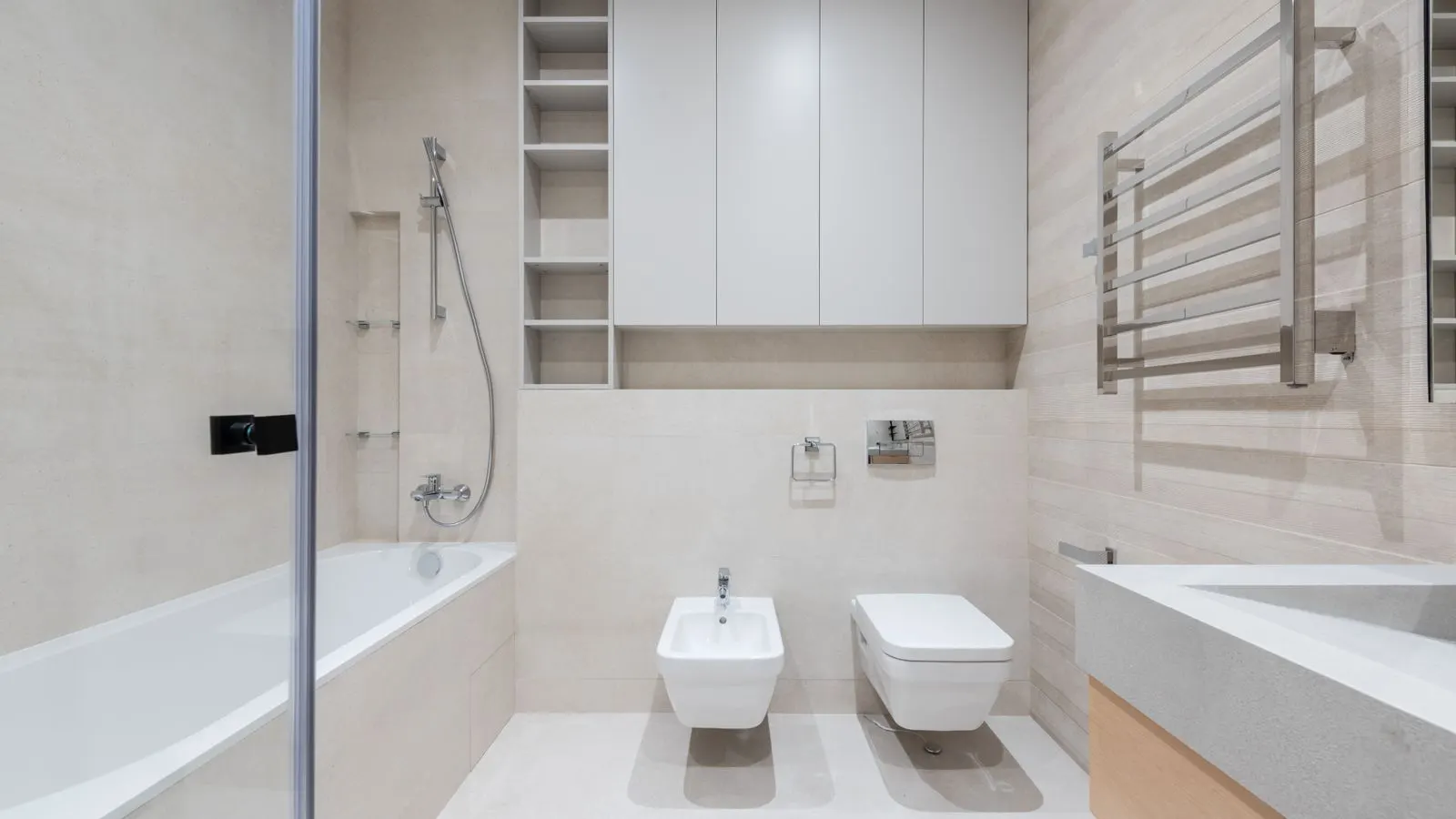
A ceramic fixture is only as good as its mounting. The bowl is heavy. The weight must be transferred to the wall or the floor. If the mounting points are weak, the fixture will crack.
Check the mounting hardware. Is it included? What is it made of? Stainless steel is preferred. It resists corrosion. Painted metal will rust in a wet environment. Rust weakens the mounting.
Inspect the attachment points on the ceramic. They should be thick and well-formed. If the attachment point is thin, it will crack under stress. Look for reinforcement. Some manufacturers add a metal ring or a thicker ceramic layer at the attachment point.
Check the gap between the fixture and the wall. There should be a small gap for sealant. If the gap is too large, the sealant will fail. If it is too small, the fixture will crack during installation.
Checklist Items:
- Check the mounting hardware material.
- Inspect the attachment points on the ceramic.
- Verify the gap for sealant installation.
- Check the weight rating of the mounting points.
- Look for reinforcement at stress points.
Red Flags:
- The mounting hardware is painted metal.
- The attachment points are thin.
- The supplier does not specify the weight rating.
Supplier Documentation and Testing History
A reliable supplier keeps records. They test every batch. They keep samples. They have a process for handling defects.
Ask for their quality control procedures. Do they inspect every piece? Or do they sample a batch? Sampling is cheaper but riskier. A supplier that inspects every piece has a higher standard.
Check their test lab. Do they test in-house? Or do they use a third-party lab? Third-party testing is more objective. In-house testing can be biased.
Ask about their history. How long have they been in business? Do they have a track record of supplying to commercial projects? Commercial projects have higher standards. If they have supplied to hotels or hospitals, their quality control is likely better.
Checklist Items:
- Request their quality control procedures.
- Ask about their test lab.
- Check their history with commercial projects.
- Ask about their defect rate.
- Request a sample from a previous batch.
Red Flags:
- The supplier does not test their products.
- They have no history with commercial projects.
- Their defect rate is high.
Sample Testing and Batch Consistency
Do not rely on a single sample. Request a small batch. Inspect multiple pieces. Look for variation.
Check the dimensions. Are they all the same size? Variation in size indicates poor control in the production process. If the dimensions vary, the fixtures will not fit properly.
Check the finish. Are the edges smooth? Are the corners rounded? Sharp edges are a safety hazard. They can cut the user. They also indicate a poor finishing process.
Checklist Items:
- Request a small batch of samples.
- Inspect multiple pieces for variation.
- Check the dimensions of each piece.
- Check the finish of the edges.
- Compare the samples to the approved model.
Red Flags:
- The dimensions vary between pieces.
- The edges are sharp.
- The finish is inconsistent.
Final Verification and Supplier Commitment
Before you sign a contract, verify the supplier’s commitment. Do they offer a warranty? What does the warranty cover? A good warranty covers manufacturing defects. It does not cover installation errors.
Check their support. Do they have a local office? Can you reach them quickly? If a fixture breaks, you need support. A supplier that is difficult to reach is a risk.
Checklist Items:
- Review the warranty terms.
- Check their support structure.
- Verify their response time for complaints.
- Check their replacement policy.
- Sign a contract with clear specifications.
Red Flags:
- The warranty is vague.
- The supplier is difficult to reach.
- The contract does not specify the quality standards.
Frequently asked questions
How do I check if the glaze is porous?
Use a water test. Place a drop of water on the glaze. If it beads up and stays on the surface, the glaze is non-porous. If it soaks in, the glaze is porous.
What is the standard water absorption rate for porcelain?
Porcelain typically has a water absorption rate below 0.5 percent. This indicates a dense body that resists moisture.
How often should I test a new supplier's products?
Test every new model. Test random batches from existing models. This ensures consistency over time.
Can I use the sample in the final installation?
Yes, if it passes all tests. Mark it as the approved sample. Keep it for reference during production.
What if the supplier cannot provide test data?
Do not buy from them. Test data is a basic requirement for commercial projects. If they cannot provide it, their quality control is likely weak.