Comparison: Monobloc vs Two-Piece Toilet Systems
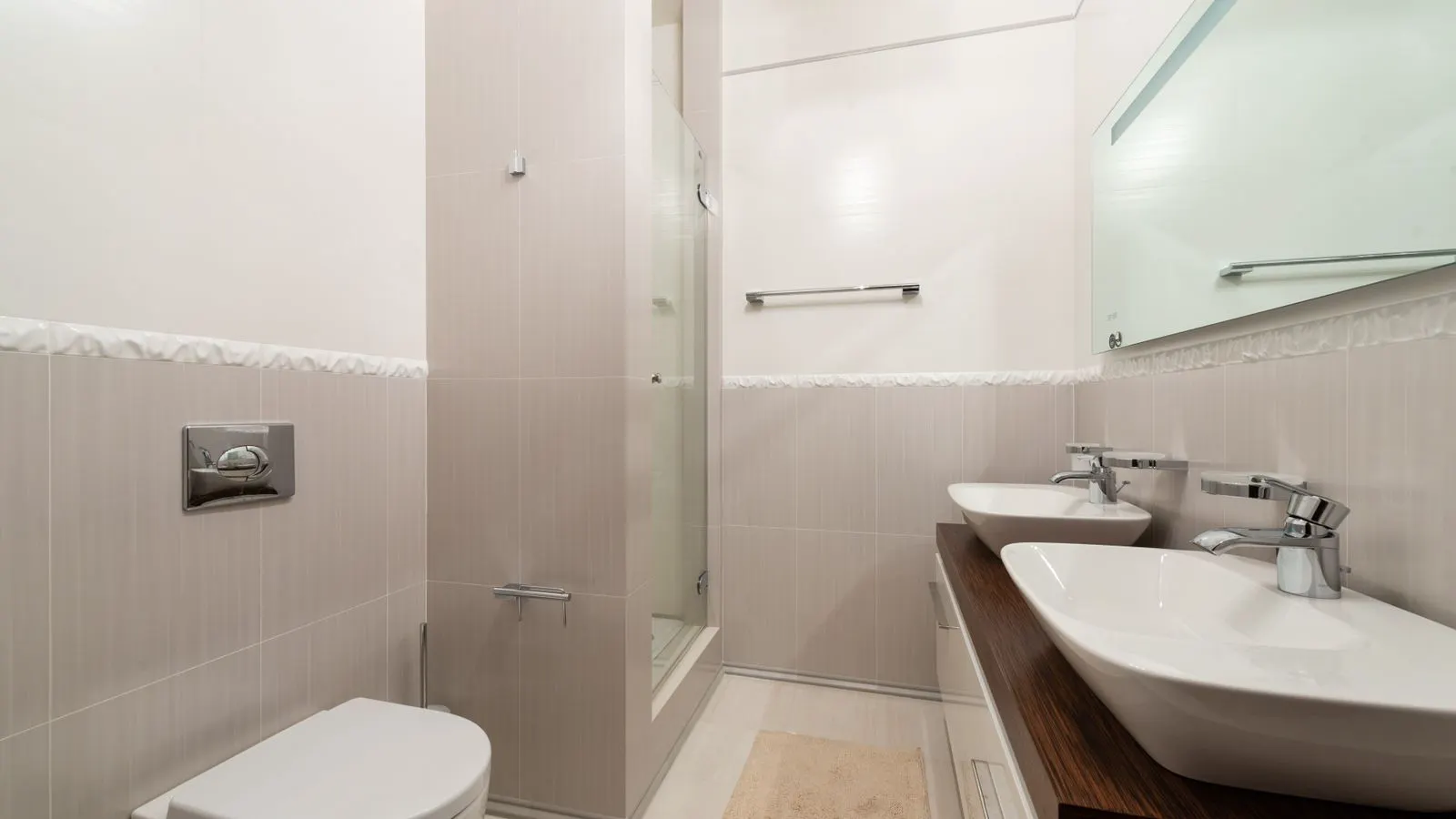
Monobloc toilets offer fewer joints and simpler cleaning, but two-piece designs provide easier part replacement and lower upfront cost. The right choice depends on site access, maintenance cycles, and the specific demands of the commercial bathroom.
- Monobloc units hide the water supply connection and reduce visible grime behind the bowl.
- Two-piece systems allow bowl or cistern replacement without removing the entire fixture.
- Installation speed favors monobloc designs, while two-piece units suit tight budget lines.
- Maintenance access in commercial settings often drives the final decision.
- Ceramic durability checks apply to both, but joint failure points differ.
Why the design choice matters
The decision between a monobloc and a two-piece toilet starts with where the water supply enters the unit. A monobloc toilet integrates the bowl and cistern into a single ceramic shell. A two-piece system keeps them separate, joined by a visible connection point. This difference shapes every other variable in the project, from the weight of the unit to the number of tools a fitter needs on site.
For a commercial bathroom, the choice affects cleaning time, spare parts handling, and the physical effort required during installation. A single ceramic mass moves differently through a building than two separate components. The choice also affects how staff manage blockages and leaks. When the cistern and bowl are one piece, a crack in the body usually renders the whole fixture unusable. When they are separate, a cracked cistern can be swapped while the bowl continues to serve. This distinction changes how a facility manager plans for downtime and how a maintenance crew structures its inventory.
Comparison of monobloc and two-piece systems
| Option | Best for | Limitations |
|---|---|---|
| Monobloc toilet | High-traffic sites and easy cleaning | Higher unit cost and complex part replacement |
| Two-piece toilet | Budget lines and flexible service access | Visible connection and more joints to inspect |
| Wall-hung monobloc | Space-saving layouts and easy floor cleaning | Requires structural support and specific fitting |
| Wall-hung two-piece | Retrofitting onto existing frames | More components to align and secure |
| Floor-mounted two-piece | Standard installations and simple plumbing | Largest visible footprint of the options |
Monobloc designs reduce the number of exposed joints. Fewer joints mean fewer places where water can seep or where grime can settle. The cistern is hidden behind a flush plate or a top-plate mechanism, depending on the model. This makes daily wiping down faster. In a high-traffic commercial bathroom, that speed adds up over months of operation. The lack of a rear gap also prevents the accumulation of soap scum and mineral deposits that often form in the crevice between a cistern and a bowl.
Two-piece systems offer a different advantage. If the cistern fails, the bowl remains in service. If the bowl cracks, the cistern and the wall connection may stay intact. This modularity simplifies spare parts logistics. A maintenance team can replace a single component without disturbing the entire fixture. This is particularly useful in large office buildings or hotels where multiple identical fixtures are installed. Keeping a stock of cisterns and bowls allows for quick repairs during off-hours, minimizing disruption to the occupants.
Installation differences in practice
Installing a monobloc toilet requires a single alignment step. The unit sits on the floor flange, and the water supply connects to the rear or the side of the ceramic body. The flush mechanism is often internal or accessible only after the unit is positioned. Because the unit is heavier and a single mass, two people usually handle it. The fitter must ensure the unit is plumb and square against the wall before the flange sealant cures. A misaligned monobloc unit is difficult to correct once the sealant has set, as the mass must be lifted and repositioned, which risks cracking the ceramic.
A two-piece toilet requires two alignment steps. The cistern is fixed to the wall first, then the bowl is set on the flange. The connection between the two is checked for level and seal integrity. This adds time but lowers the physical load per component. In sites with limited lifting space or narrow access corridors, the two-piece method can be easier to execute. A cistern can be carried up a spiral staircase or through a small service door more easily than a full monobloc unit. The bowl, being smaller, can also be maneuvered into place with less risk of damage to adjacent finishes.
Maintenance and service access
The maintenance profile of each system depends on where the failure occurs. A monobloc toilet has fewer external parts, but when a component fails, the unit may need to be lifted off the floor. The flush valve, the fill valve, and the tank internals are often accessed by removing the top plate or the rear access panel. If the ceramic shell cracks, the whole unit is typically replaced. This creates a higher barrier to entry for repairs. A fitter must disconnect the water supply, support the unit, cut the bolts, and lift a heavy object. If the floor is delicate, such as polished stone or hardwood, the weight of a monobloc unit can cause stress during this process.
A two-piece toilet allows the cistern to be removed from the wall independently. The bowl can remain in place during cistern changes. The connection point, however, is a long-term inspection target. The seal and the bolts must be checked regularly. In a commercial bathroom, a leaking connection can stain the floor and create a slip risk. The bolt nuts on the connection often loosen over time due to vibration from frequent flushing. Tightening these nuts is a routine task that requires specific tools and access to the rear of the unit.
Cost considerations beyond the unit price
The unit price is only one part of the total cost. A monobloc toilet often has a higher initial price because of the integrated ceramic form. The molding process is more complex, and the single piece is larger. This increases the risk of damage during transport and handling. The packaging must be robust enough to support the weight and shape of the unit. If a monobloc unit is damaged in transit, the entire piece is usually written off, as the crack compromises the structural integrity of the ceramic.
A two-piece toilet usually has a lower unit price. The cistern and bowl are manufactured separately. This can reduce waste and lower the cost of damaged pieces. If a bowl is chipped during handling, only that piece is replaced. However, the total cost includes the connection hardware and the time for installation. If the site has high labor rates, the faster installation of a monobloc unit can offset the higher material cost. The monobloc unit requires fewer fixing points and less time for alignment. This can reduce the number of hours a fitter spends on each fixture, which matters in projects with tight schedules.
When to pick each system
Pick a monobloc toilet when cleaning speed is a priority. In sites with heavy foot traffic, staff need to wipe down fixtures quickly. A monobloc design has fewer crevices and no visible joint at the rear. The flush mechanism is often flush-mounted, which reduces the surface area that collects dust. This makes it suitable for public restrooms, transport hubs, and high-traffic office buildings. The smooth appearance also contributes to a perception of cleanliness. In these environments, the ease of maintenance for the cleaning staff is a direct factor in user satisfaction.
Pick a two-piece toilet when part replacement is a concern. If the site has limited storage space for spare parts, a two-piece system allows for a smaller stock of cisterns and bowls. If the building has aging plumbing, the two-piece design offers more flexibility. The cistern can be adjusted to match the existing wall connection without replacing the bowl. This is common in older buildings where the plumbing risers may have shifted or where the wall structure does not support the weight of a monobloc unit. The ability to adapt the cistern to the existing infrastructure can save significant renovation costs.
Durability and ceramic checks
Both systems use ceramic, but the failure points differ. A monobloc unit has a large continuous surface. A crack can run along the seam where the cistern and bowl meet, which is internal. A two-piece unit has a visible seam. A crack here is easier to spot during a routine inspection. The visual accessibility of the seam in a two-piece system makes it a critical point for preventive maintenance. A small crack at the connection can lead to water leakage, which can damage the wall cavity behind the fixture.
When evaluating ceramic sanitary ware durability, check the glaze thickness and the firing temperature. A well-made ceramic body resists chipping at the rim. In a monobloc design, the rim is a single continuous edge. In a two-piece design, the bowl rim is separate from the cistern. Both need to be checked for chips, as chips can harbor bacteria and are difficult to clean. The rim is a high-contact area for users, so any damage here increases the risk of cross-contamination. Inspect the glaze for pinholes or uneven firing, which can indicate a manufacturing defect.
Final selection criteria
The choice depends on the site conditions. If the floor is concrete and the access is wide, a monobloc unit works well. If the floor is fragile or the access is narrow, a two-piece unit may be safer. If the maintenance team is small and moves quickly, a monobloc unit reduces the number of parts to handle. If the maintenance team is large and has specific spares, a two-piece unit fits the workflow. The physical layout of the bathroom also plays a role. A large bathroom with ample space for a fitter to work around the fixture favors the monobloc option. A tight space where tools and components must be maneuvered carefully favors the two-piece option.
Review the manufacturer specifications for both options. Check the weight, the flange size, and the water supply connection type. Confirm that the site plumbing matches the chosen system. A mismatch here causes delays and extra cost. The right system is the one that fits the building, the staff, and the long-term service plan.
Frequently asked questions
Is a monobloc toilet harder to install than a two-piece unit?
Yes, it is heavier and moves as a single mass. It usually requires two people and careful alignment on the floor flange.
Which system is easier to clean in a commercial bathroom?
A monobloc toilet is generally easier to clean because it has fewer visible joints and a continuous surface.
Can I replace just the cistern on a two-piece toilet?
Yes, the cistern can be removed from the wall while the bowl stays in place. This is a key advantage for maintenance.
What is the main risk with a two-piece connection?
The seal and bolts at the connection point can leak over time. Regular inspection is needed to prevent water damage.
Do monobloc toilets cost more to maintain?
They can, because a cracked shell often requires full replacement. However, they have fewer parts to inspect and clean daily.