Troubleshooting: Stopping Water Hammer in Shower Lines
Water hammer in shower lines happens when rapid valve closure creates pressure surges. Identify symptoms like banging pipes. Fix it with expansion tanks, pressure relief devices, or slower valve response.
- Banging or knocking pipes indicate a pressure surge from fast valve closure.
- Check shower valves first. Slow-response valves reduce shock waves.
- Install a pressure relief device or expansion tank near the shower supply.
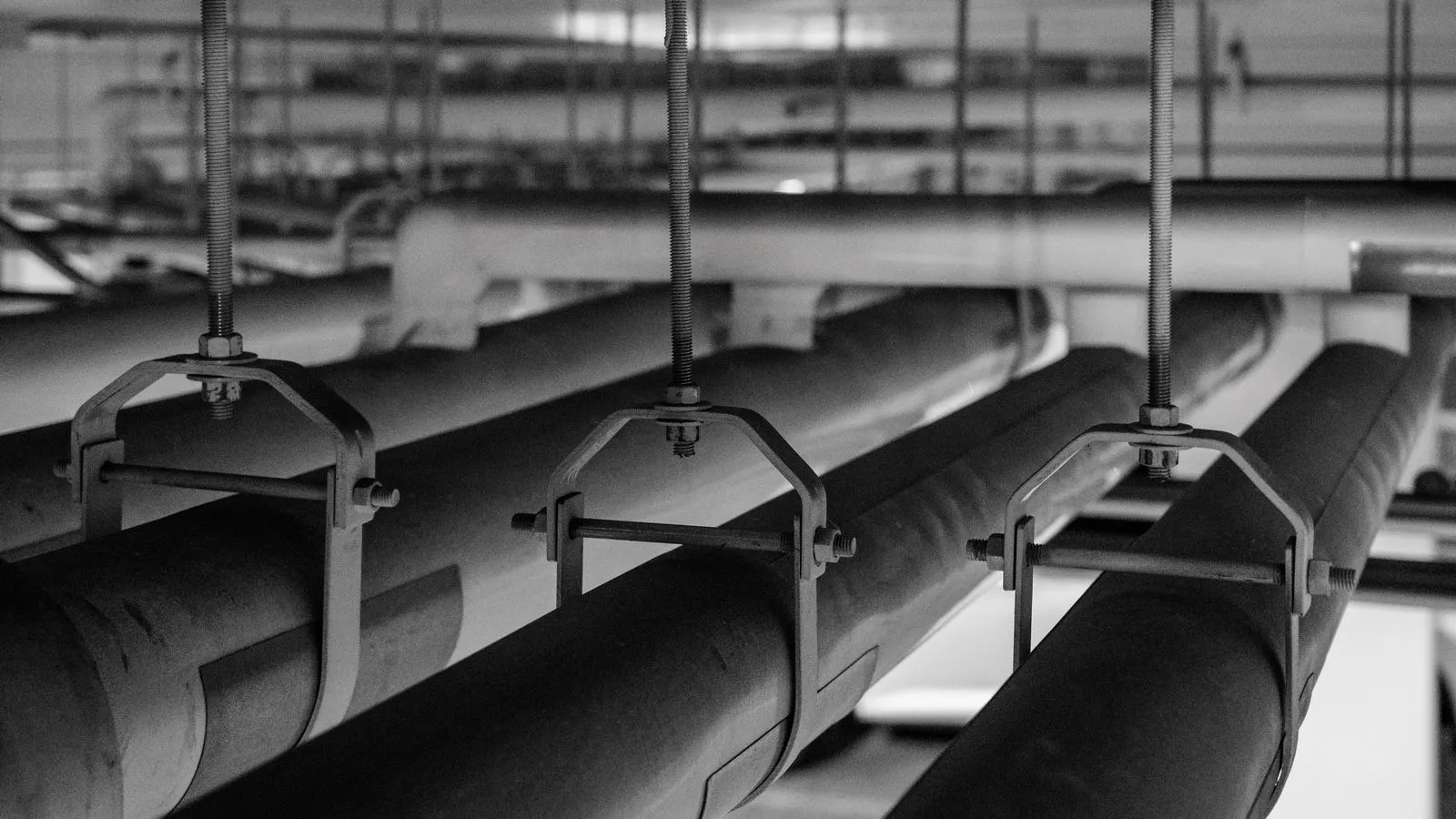
- Secure pipe supports to prevent vibration and joint failure.
- Bleed trapped air from the system to improve flow stability.
Water hammer in shower lines appears as a sudden bang when the shower valve closes. The shock wave travels through the pipe network. It damages fittings and strains joints over time.
What does water hammer look like in a shower system?
The most obvious sign is a sharp knocking sound inside the walls. It happens when the water stops moving quickly. The column of water has momentum. When the valve shuts, that momentum creates a high-pressure pulse.
Other symptoms include rattling pipes, loose fittings, and pressure drops. A user may also notice a delayed start after the hammer event. The noise is usually localized to the shower circuit but can travel through shared mains.
Listen to the system during normal use. Turn the shower on and off several times. Note where the sound is loudest. A single knock is less concerning than repeated impacts.
Why does rapid valve closure cause pressure surges?
Shower valves control flow through a small opening. When the handle or cartridge closes quickly, the water velocity drops to zero in milliseconds. The moving mass of water in the pipe does not stop instantly. It compresses.
The pressure spike is the result of that compression. It sends a wave down the supply line. In short runs, the wave may stay local. In longer runs, it travels to the main and back.
Cartridge type matters. Quick-close ceramic discs can stop flow faster than ball or stem valves. The faster the closure, the higher the peak pressure.
Common causes of water hammer in shower lines
Several factors contribute to the problem. Pipe length and diameter affect the wave speed. Longer runs with narrow pipes create higher velocities. The shock wave has more energy to transmit.
Support spacing matters. Pipes need braces at regular intervals. Loose sections vibrate and amplify noise. They also weaken at joints.
Air in the lines changes behavior. Trapped air pockets compress and expand. They can cushion or worsen the surge. Old systems often have air pockets near bends and fixtures.
Troubleshooting table for shower line issues
| Symptom | Likely cause | What to do |
|---|---|---|
| Single sharp bang when shutting off | Quick valve closure and unsecured pipes | Install slower-response valve. Add pipe straps at 600 mm spacing. |
| Repeated knocking after each closure | Pressure surge traveling through shared mains | Fit an expansion tank or pressure relief valve near the shower supply. |
| Rattling pipes with no distinct knock | Loose supports and trapped air | Tighten brackets. Bleed air from the highest point in the circuit. |
| Pressure drop after hammer event | Water hammer caused a fitting to shift | Inspect joints. Re-torque connections. Check for leaks at the valve body. |
| Hammer only at cold shower line | Cold feed has higher static pressure | Verify pressure at the meter. Add a pressure-reducing valve if needed. |
| Noise in multiple fixtures at once | Main supply shock | Check the main shut-off valve. Ensure it is not closing too fast. |
How to fix water hammer at the shower valve
Start at the point of origin. Replace the shower cartridge if it closes too fast. A slower-response valve gives the water more time to stop. This lowers the peak pressure.
Check the valve body. A worn seat or damaged seal can cause uneven closure. The water may surge through one path while another seals. Cleaning or replacing the cartridge usually solves this.
Test the new valve. Run water for two minutes. Close the handle slowly. Then close it quickly. Compare the sound. If the quick-close test still knocks, the problem is downstream or in the main.
Where to install a pressure relief device
An expansion tank absorbs the shock energy. It needs to sit close to the shower supply. The closer it is to the valve, the better it works. Mount it on a solid wall or stud.
A pressure relief valve vents excess pressure to a drain or safe point. It acts as a safety release. Use it when expansion tanks are not practical. Make sure the discharge path is clear and code-compliant.
Do not install a relief valve inside the wall without access. You need to service it. A blocked relief valve fails silently and leaves the system unprotected.
How to secure pipes and remove trapped air
Loose pipes act like bells. They vibrate when the shock wave hits. Add straps or brackets to every run. Space them at regular intervals. Use pipe clips rated for the pipe diameter.
Air pockets change flow behavior. Bleed the system before the shower is put into service. Open the highest valve in the circuit. Run water until the stream is steady. Close the valve.
Check the shower head. A partially blocked head creates turbulence. It can mimic hammer symptoms. Clean the orifices with a soft brush. Replace the head if the screen is damaged.
Prevention tips for long-term stability
Design the system to minimize shock. Use larger pipe diameters where possible. Lower velocities mean less momentum to stop. This reduces the energy in any surge.
Maintain stable pressure at the meter. A fluctuating supply creates more variation in the lines. A pressure-reducing valve at the main helps keep pressure consistent.
Inspect the system twice a year. Look for loose brackets. Check valve operation. Listen for new noise patterns. Early detection prevents joint failure.
Keep records of valve replacements and pressure readings. If the hammer returns after a fix, the change you made may not have addressed the root cause. Notes help you trace the pattern.
When to call a plumber
If the hammer persists after valve replacement and pipe support, the issue may be in the main supply. A professional can measure pressure and flow. They can identify where the shock wave originates.
Do not ignore repeated banging. Each event stresses the joints. Over time, a loose connection becomes a leak. A leak behind a wall is far more expensive to fix than a valve replacement.
If the main shut-off valve is the source, do not replace it with a quarter-turn ball valve if it closes too fast. Choose a valve with a slower closure profile. This reduces the initial shock at the source.
Frequently asked questions
Can water hammer damage a ceramic sanitary ware unit?
Yes. Pressure surges can stress the connections to the unit. Repeated hammering may crack the base or loosen the drain.
Is water hammer the same as air hammer?
No. Air hammer involves air pockets compressing and releasing. Water hammer is the shock wave from a moving water column stopping.
Do all shower valves cause water hammer?
No. Slow-response valves reduce the impact. Quick-close ceramic discs are more likely to trigger a surge.
Can a pressure-reducing valve stop water hammer?
It can help by lowering the static pressure. But it does not stop the shock wave from valve closure. Use it with an expansion tank or relief valve.
How often should I check pipe supports?
Check them twice a year. Look for loose brackets and rust. Tighten or replace as needed.