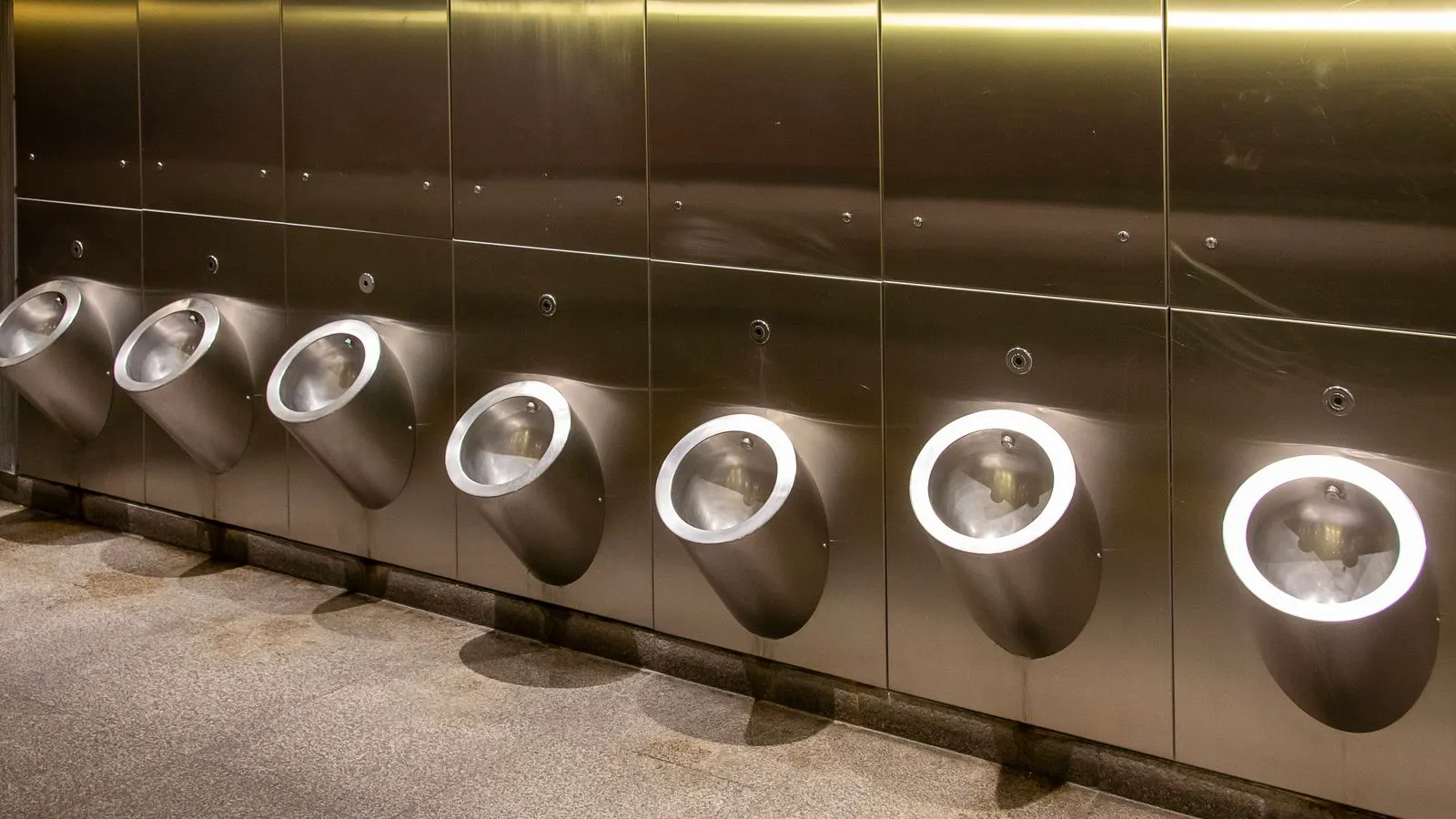
Outlook: Digital Flush Valves in Public Restrooms
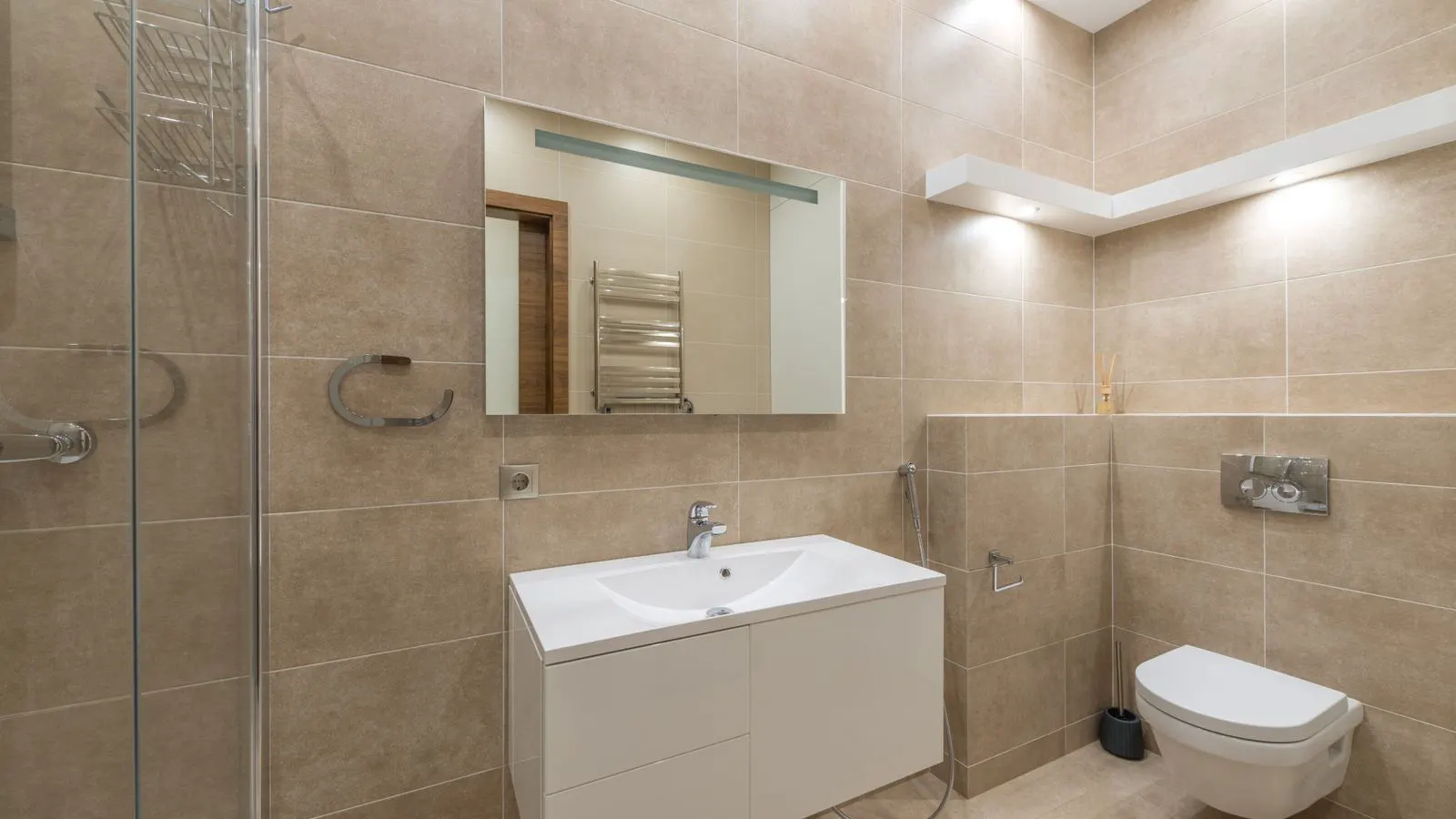
Digital flush valves replace mechanical triggers with electronic control, offering water efficiency and maintenance tracking. Buyers should plan for sensor integration, networked data systems, and updated plumbing specs to support these smart toilet technologies.
- Digital flush valves shift maintenance from reactive to predictive by tracking flush frequency and detecting failures.
- Buyers must specify sensors and control logic that balance hygiene, water saving, and user experience.
- Plumbing and electrical infrastructure in public restrooms is changing to support power and data connections.
- Standardization of interfaces between valves, toilets, and building management systems is becoming a procurement priority.
What is changing in public restroom fixtures?
Public restrooms are moving beyond passive fixtures. The trend toward electronic control is shifting how toilets operate. Digital flush valves are the core component in this change. They use sensors or touchless controls to trigger the flush, replacing or augmenting mechanical buttons and chains.
The impact is not cosmetic. It changes how water is delivered, how maintenance is scheduled, and how facility managers monitor usage. For buyers, this means evaluating fixtures as part of a broader system. The valve is no longer just a part of the toilet. It is a data point and a control node.
How do digital flush valves work?
A digital flush valve combines a solenoid or pump mechanism with an electronic control board. The control board receives input from a sensor, such as an infrared beam, a pressure plate, or a touchless button. It then activates the valve to release a set volume of water.
The key difference from mechanical valves is precision. The system can measure the flush duration or use a predetermined volume. This reduces waste compared to unregulated manual flushes. The control board also handles safety checks, such as preventing a flush when the tank is low or when the system is in a fault state.
Many systems include a small display or indicator light. This shows the status to the user. It can confirm that the flush is active or alert them to a malfunction. This feedback loop is critical in high-traffic public restrooms. It reduces user confusion and support calls.
What are the main benefits for facility operators?
The primary benefit is operational visibility. Digital valves can log each flush. This data helps operators understand usage patterns. They can identify peak hours, detect anomalies, and plan cleaning schedules more effectively.
Water management improves significantly. Electronic controls ensure that every flush uses the intended volume. There is no partial flush from a worn button or a stuck chain. The valve opens and closes exactly as programmed. This consistency helps meet water efficiency targets without compromising user comfort.
Maintenance becomes more proactive. The control board can detect when a flush is not completing properly. It can alert the maintenance team via a local signal or a building management system. This prevents small issues from becoming blocked toilets or water leaks. The shift is from annual inspections to continuous monitoring.
What infrastructure changes are required?
Integrating digital flush valves requires more than a standard plumbing connection. The valves need a power source. In many public restrooms, this means installing dedicated circuits or low-voltage power lines. The electrical load is low, but the wiring must be correct and accessible.
Data connectivity is the other requirement. For networked systems, the valve needs a communication path. This can be a wired Ethernet connection or a wireless module. Wired systems are more reliable in dense installations but require more installation time. Wireless systems are easier to install but may need signal optimization in concrete-heavy buildings.
The plumbing itself remains largely the same. The valve connects to the water supply and the toilet bowl. However, the placement of the valve may change. Electronic components require space for the control board and wiring. Buyers should check the clearances in the wall cavity. A standard toilet rough-in may not accommodate the new hardware without modification.
| Component | Traditional Requirement | Digital Flush Valve Requirement |
|---|---|---|
| Power Supply | None | Dedicated low-voltage circuit or power line |
| Data Connection | None | Wired Ethernet or wireless module |
| Plumbing Rough-In | Standard toilet flange | Modified cavity for electronics and wiring |
| Maintenance Access | Basic access to valve | Access to control board and sensors |
| Installation Time | Low | Higher due to electrical and data work |
How should buyers select these systems?
Selection should focus on reliability and integration. The valve must withstand the harsh environment of a public restroom. Exposure to humidity, cleaning chemicals, and high traffic is constant. Look for systems with sealed enclosures and corrosion-resistant components. The control board should be designed for industrial use, not just residential applications.
Integration with the toilet is the second priority. The valve must fit the specific toilet model. Not all toilets are compatible with all digital valves. The connection point, the volume setting, and the sensor placement must align. Buyers should require the supplier to provide a compatibility matrix. This avoids costly returns and delays during installation.
The third priority is the user interface. Public restrooms require clear, intuitive controls. The sensor should be placed where users naturally stand. The feedback indicator should be visible without being distracting. The flush volume should be sufficient for the toilet bowl size. Testing the unit in a prototype installation is a smart move before committing to a large project.
What are the common installation pitfalls?
The most common pitfall is underestimating the electrical load. While the power consumption is low, the number of units in a building can add up. The circuit may need to be dedicated to avoid voltage drops or tripping breakers. The installer must follow local electrical codes. Using a standard lighting circuit for a flush valve is a bad idea.
The second pitfall is poor sensor placement. If the sensor is blocked by a partition or a cleaning cart, the flush will not trigger. Users may become frustrated and use the toilet inappropriately. The sensor height and angle must be tested in the actual space. A dry run with a person of average height is necessary before finalizing the layout.
The third pitfall is ignoring the data connection. Wireless modules can fail in thick concrete walls. Wired connections are more reliable but require conduit and patch panels. If the building does not have a network infrastructure in the restroom area, the cost of adding it can be significant. The buyer must budget for this infrastructure as part of the fixture cost.
What does the future hold for restroom design?
The future points toward greater automation and data integration. Smart toilets will likely communicate with building management systems. They will report not just on flush events, but on water temperature, occupancy, and cleaning status. This data will inform facility operations in real time.
Design will adapt to support this connectivity. Restrooms may include more power outlets and data ports. The aesthetic will continue to favor clean lines, but the technical components will become more visible in their design. The valve is no longer hidden. It is a functional part of the user experience.
Buyers who prepare now will have a smoother transition. Those who wait may face retrofitting costs and downtime. The shift to digital flush valves is already underway in high-traffic areas. The question is not if it will happen, but how quickly the infrastructure will support it.
How to prepare for the transition
- Audit existing restrooms for power and data access. Identify which units need new wiring or conduit.
- Review the current toilet models. Determine which ones are compatible with digital flush valves.
- Engage suppliers early. Request compatibility data and installation guides before finalizing the design.
- Plan for a phased rollout. Start with a few units to test the system in the real environment.
- Update the maintenance manual. Train staff on the new monitoring tools and fault codes.
The transition to digital flush valves is a practical step for any facility looking to modernize its public restrooms. It offers clear benefits in water management and maintenance. The preparation required is manageable. The key is to treat the valve as a system, not just a part.
Frequently asked questions
Do digital flush valves require a dedicated circuit?
Yes, most digital flush valves require a dedicated low-voltage power supply. Sharing a circuit with other high-load devices can cause instability or tripping.
Can I install a digital valve on an existing toilet?
It depends on the toilet model. Some toilets have the necessary mounting points and volume settings. Always check the compatibility matrix from the valve supplier before installation.
What is the main advantage of a digital flush valve over a mechanical one?
The main advantage is precision and data. Digital valves ensure a consistent water volume and provide logs for maintenance and usage analysis.
How does the sensor work in a touchless system?
The sensor uses an infrared beam or similar technology to detect the user. It triggers the flush when the user stands in front of the toilet. The beam is usually placed at a specific height.
What happens if the power goes out in a public restroom?
Most digital flush valves have a backup battery. This allows a limited number of flushes during a power outage. The system will revert to manual mode or display an error if the battery is depleted.