Buyer's Guide: Selecting Commercial Urinal Fixtures
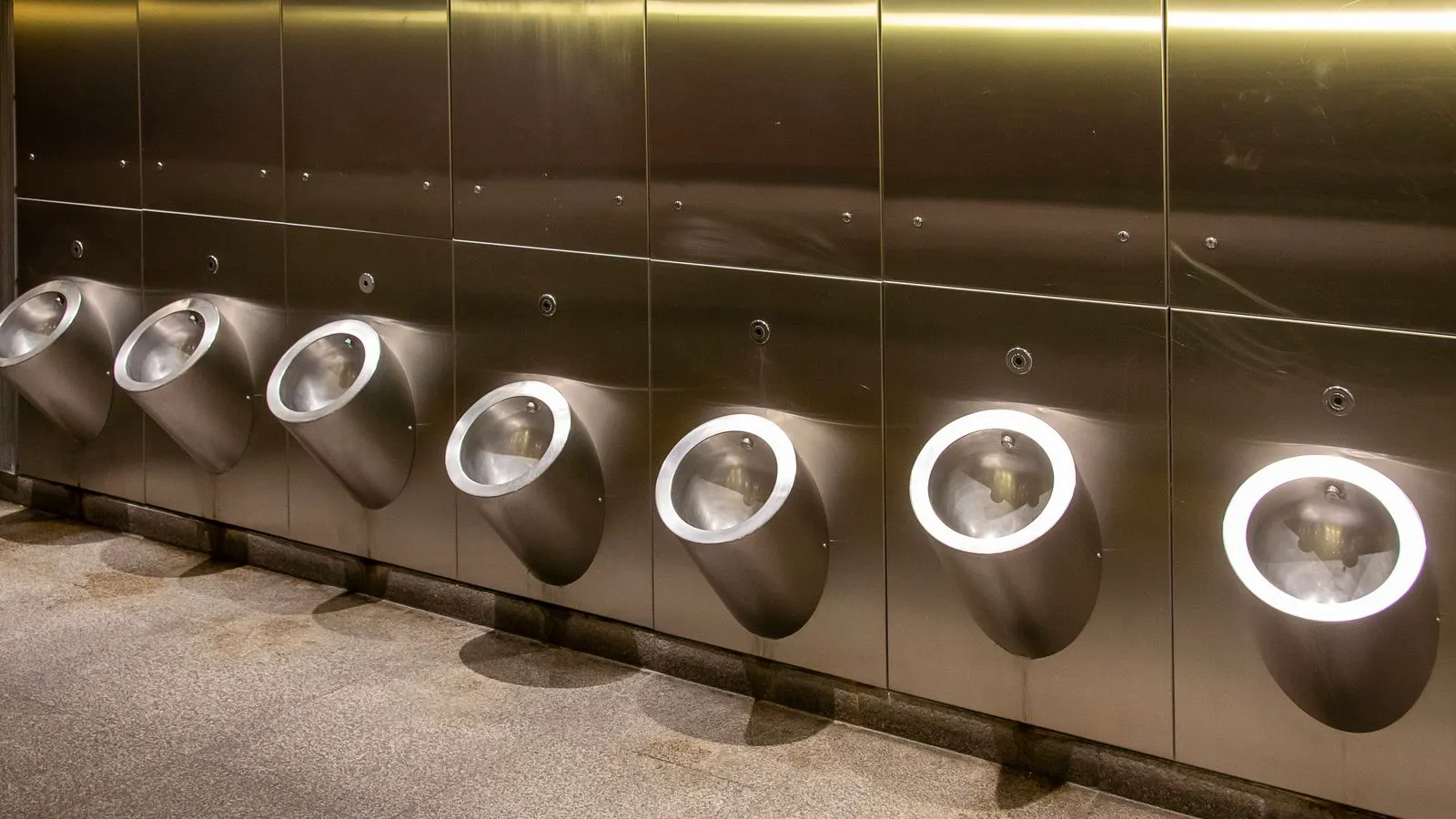
Choose commercial urinals based on material durability, flush valve reliability, and maintenance access. Match the fixture type to the specific traffic volume and cleaning standards of each public restroom location.
- Match the urinal material to the cleaning chemicals and traffic volume expected in the space.
- Evaluate the flush valve type based on local water codes and maintenance access.
- Prioritize fixtures with removable panels or accessible back panels for easier cleaning.
- Test the fixture's performance under high volume to ensure consistent flow.
- Verify that all parts meet local lead-free and sustainability standards.
Selecting the right commercial urinal
Selecting the right commercial urinal is a decision that balances user comfort with long-term operational costs. The fixture must handle heavy daily traffic without showing signs of wear or requiring frequent replacement. It also needs to integrate cleanly with the building’s plumbing and cleaning protocols.
Define the usage scenario
Start by analyzing the specific environment. A corporate office, a highway rest stop, and a stadium present very different challenges.
Corporate offices typically see steady, predictable traffic. Users tend to be clean and careful. Maintenance can happen during normal business hours. This allows for fixtures with exposed plumbing, where maintenance is straightforward. In these settings, the focus often shifts toward aesthetics and ease of cleaning rather than extreme durability. You can choose fixtures with slightly more complex designs because the likelihood of vandalism or heavy impact is lower.
High-traffic public venues face different pressures. A stadium or a busy transit hub sees spikes in usage. The cleaning schedule is often strict, with tight windows for access. In these cases, you need fixtures that are tamper resistant and easy to clean. They should also handle the chemical cleaners used in these environments. The cleaning crew may use abrasive pads or strong disinfectants, so the surface finish must withstand repeated contact with these products.
Look at the peak usage hours. If a restroom opens at 6 am and closes at 10 pm, the fixture must handle that daily cycle. If it operates 24 hours, durability becomes the primary concern. Consider the user profile as well. A facility serving industrial workers will face different wear patterns than one serving office staff. Industrial users may be heavier, and the environment may be dirtier, requiring fixtures with stronger drain systems and more robust anti-splash designs.
Choose the material based on durability
Material selection dictates the lifespan of the fixture. The main options are ceramic, porcelain, and various plastics.
Ceramic and porcelain are the traditional choices. They are hard, glossy, and easy to clean. They resist stains and chemical damage well. However, they are brittle. A heavy impact can chip or crack the rim. This is a common failure point in high-traffic areas. A small chip can become a larger crack over time, especially if the fixture is subjected to thermal shocks from hot and cold water. When a porcelain urinal cracks, it usually requires full replacement rather than repair, which increases downtime and cost.
Plastic options, often made from high-density polyethylene or acrylic, offer different advantages. They are lighter and less brittle than ceramic. A dropped tool or a heavy impact is less likely to cause a catastrophic break. They also tend to be easier to repair or replace in the field. Some plastic fixtures use reinforced cores to prevent warping. This is important for wall-mounted units where the load is carried by the mounting frame. Check the manufacturer’s load rating. It should exceed the expected weight of the user and any accessories.
Consider the cleaning chemicals. Ammonia-based cleaners can degrade certain plastics over time. Ceramic is generally more resistant to a wider range of harsh chemicals. If your cleaning contractor uses specific products, verify compatibility before purchase. Ask for the technical data sheet on the material. Look for information on UV resistance if the fixture is near windows, as direct sunlight can yellow some plastics over time.
Evaluate the flush mechanism
The flush valve is the most complex and failure-prone part of a urinal. The type of valve determines the water consumption and the maintenance cycle.
Gravity-fed valves are the simplest. They rely on the weight of the water itself to flush. They are low cost and have few moving parts. However, they are sensitive to water pressure. If the building’s pressure drops, the flush may be weak. They also tend to use more water per flush. In older buildings with variable pressure, gravity-fed valves can lead to inconsistent performance. A weak flush may not clear the bowl, leading to odor and the need for manual cleaning.
Piston valves offer a more controlled flow. They use a mechanical piston to direct the water. They are more reliable than gravity-fed valves in low pressure situations. They use less water per flush, which helps with cost and compliance. The mechanical seal in a piston valve can wear over time, requiring periodic replacement of the seal kit. This is a manageable maintenance task, but it adds to the long-term cost.
Electronic valves are the newest option. They use sensors to detect the user and trigger the flush. They can offer a high volume of water in a short time, or a low volume for a long time. They are very efficient. However, they have a battery life that must be managed. If the battery dies, the fixture may stop working. This is a significant risk in a public restroom. Electronic valves also require a power source or battery replacement schedule. In a stadium, where cleaning crews have limited access, a dead battery can render the fixture unusable for hours.
Check the local water codes. Some regions have specific requirements for urinal water usage. Ensure the fixture meets these standards. Also, consider the maintenance access. If a valve fails, can a technician reach it without removing the entire urinal? This is often the deciding factor between an electronic valve and a mechanical one, as electronic valves are often more complex to service.
Prioritize maintenance and cleaning access
A fixture that is hard to clean is a fixture that will look bad. The design must allow for easy cleaning of the rim, the bowl, and the base.
Look for a rounded rim. Sharp corners trap dirt and are hard to reach with a cloth. A smooth, continuous curve is easier to clean and less likely to harbor bacteria. In high-traffic areas, the rim is the first place users notice wear. A rounded rim also prevents small particles from accumulating in the seam between the rim and the bowl.
The base of the urinal is a common problem area. A drip tray is standard, but it should be removable. If it is fixed, it can collect water and debris. This leads to odors and stains. A removable tray can be lifted out and cleaned separately. This is especially important in facilities where the floor is wet or where the cleaning crew uses wet mopping techniques. A fixed tray can become a reservoir for standing water, which promotes mold growth and unpleasant smells.
The back of the urinal is where the plumbing is. If the fixture is wall-mounted, the back panel must be accessible. In many public restrooms, the wall behind the urinal is finished with tile or stone. If the valve needs repair, the contractor may have to cut into the wall. This is expensive and time consuming. Look for fixtures with removable back panels. These can be taken off without damaging the wall finish. They allow direct access to the valve and the inlet. This makes maintenance faster and cheaper. It also reduces the risk of damage to the surrounding area.
Consider the user experience
The user experience determines satisfaction. A poorly designed urinal can cause discomfort and even health issues.
The height of the urinal is critical. A standard height is usually around 15 to 16 inches from the floor to the rim. This is suitable for most adult men. However, accessibility requirements may dictate different heights. Check the local building codes. In facilities serving a diverse population, including disabled users, you may need to install fixtures at different heights or with different shapes to ensure usability.
The depth of the bowl matters too. A bowl that is too shallow can cause splashback. A bowl that is too deep may make it difficult for some users to aim properly. The shape of the bowl should guide the flow of water. A curved rear wall helps direct the flow and reduces the chance of splash. Splashback is a major issue in commercial restrooms. It leads to wet floors, which are a safety hazard. It also increases the cleaning workload, as staff must dry the floor after each use.
Lighting is also a factor. If the urinal is in a dark area, it may be difficult to aim. Good lighting reduces the chance of miss and the need for cleaning. It also improves the user’s confidence. In poorly lit areas, users may hesitate or miss, leading to more cleaning. Ensure that the lighting is positioned to illuminate the bowl without creating glare. Glare can make it harder for users to see the target area.
Compare options with a criteria table
Use this table to compare the fixtures you are considering. It helps you see the trade-offs clearly.
| Criterion | What to look for | Why it matters |
|---|---|---|
| Material | Ceramic, porcelain, or plastic. Check for chip resistance. | Determines lifespan and repair costs. |
| Flush Type | Gravity, piston, or electronic. Check water usage. | Affects operational cost and reliability. |
| Maintenance Access | Removable back panel, accessible valve. | Reduces repair time and labor cost. |
| Cleaning Access | Rounded rim, removable drip tray. | Improves hygiene and visual appearance. |
| User Comfort | Correct height, bowl depth, splashback control. | Increases user satisfaction and reduces wear. |
Final decision checklist
Before placing the order, run through this checklist.
- Verify the material is compatible with your cleaning chemicals.
- Confirm the flush valve type meets local water codes.
- Check that the back panel is removable for easy maintenance.
- Ensure the height and bowl depth meet accessibility standards.
- Test the fixture in a similar environment before full rollout.
- Confirm the warranty covers parts and labor.
- Review the lead time for the initial order.
The right commercial urinal is a balance of cost, durability, and user comfort. By evaluating these factors carefully, you can select a fixture that will serve your public restroom well for years to come.
Frequently asked questions
What is the most common failure point for commercial urinals?
The flush valve is the most common failure point. It is subject to constant use and can wear out over time. B: The rim is the second most common failure point. It can chip or crack from impact.
Can I use a standard residential urinal in a commercial setting?
No. Residential urinals are not built to handle the traffic volume or cleaning chemicals used in commercial settings. They will fail quickly.
How do I know if a urinal is lead-free?
Check the manufacturer's documentation. It should state that the fixture is lead-free and compliant with local regulations.
What is the best material for a high-traffic restroom?
Plastic is often the best choice for high-traffic restrooms. It is less brittle than ceramic and easier to repair.
How often should I replace a commercial urinal?
With proper maintenance, a commercial urinal can last 10 to 20 years. The valve may need replacement more often.