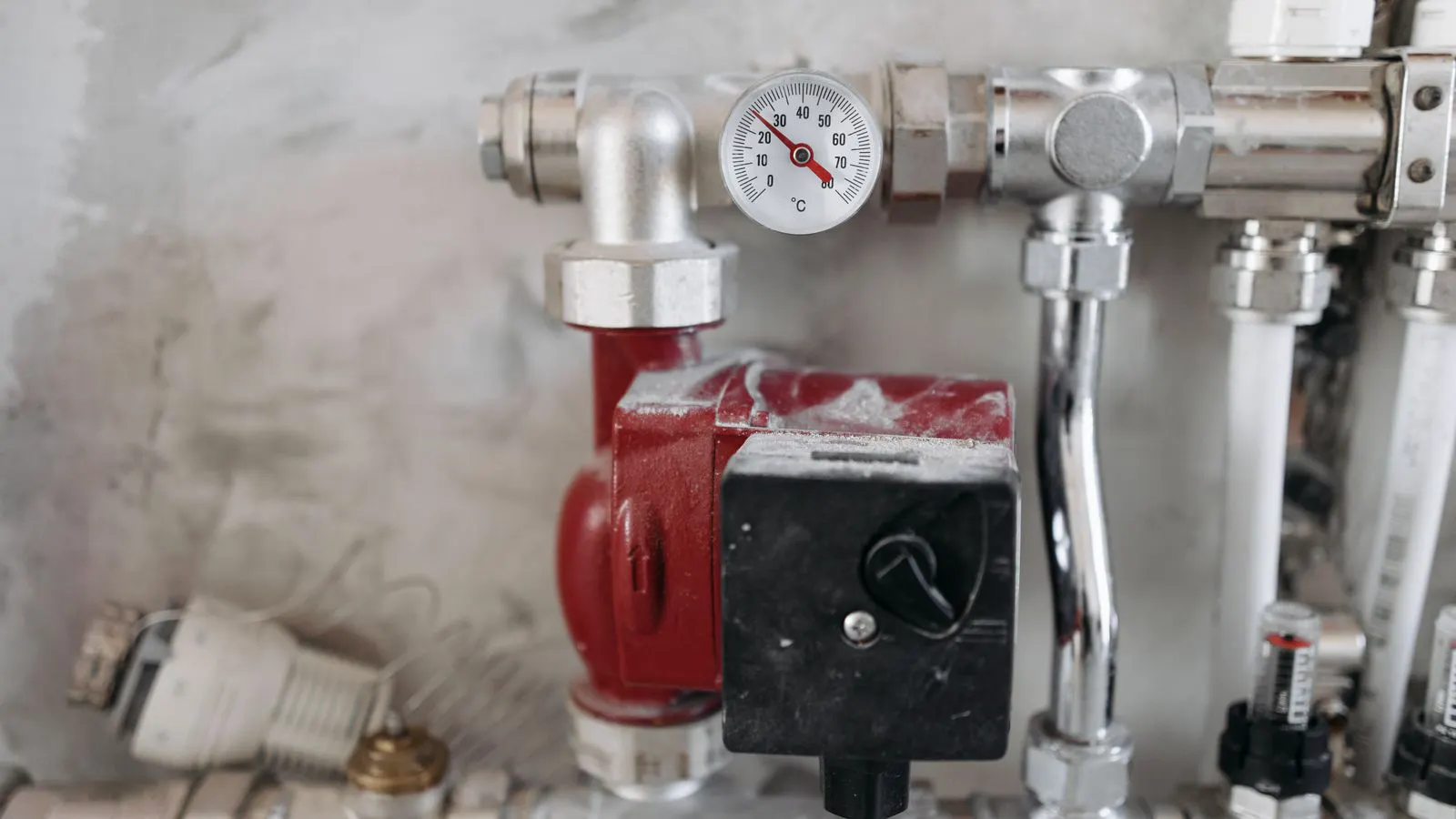
Explainer: Water Pressure Loss in Modern Bathroom Shower Systems
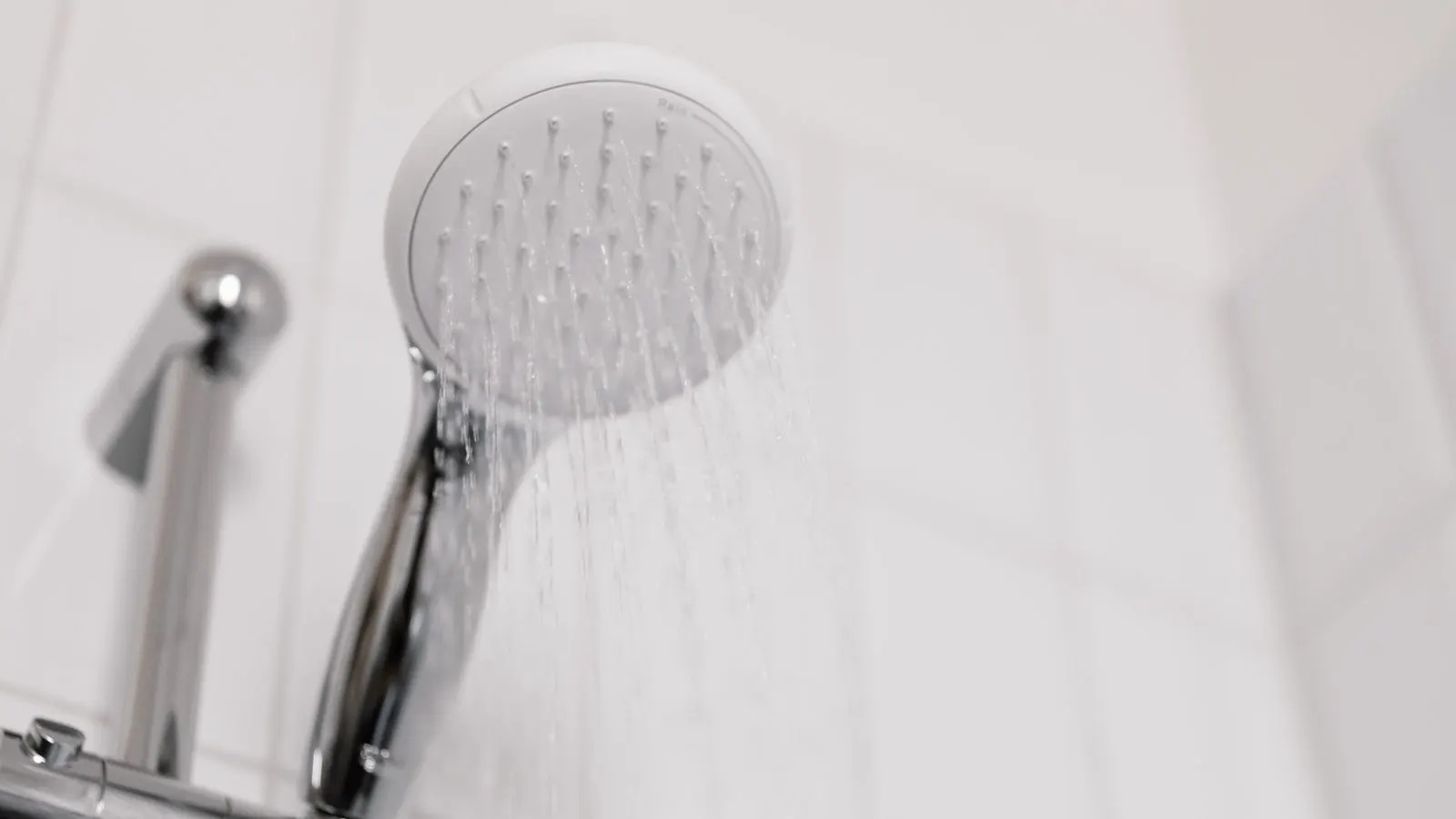
Reduced shower pressure usually stems from narrow supply lines, restrictive aerators, or valve design. This explainer breaks down the main technical drivers of water pressure loss and shows how to identify them during sourcing and installation.
- Water pressure loss in showers is caused by friction, restricted flow paths, and valve design, not just building supply issues.
- Narrower supply piping and long runs increase head loss, reducing flow at the shower head.
- Aerator and cartridge settings control flow rate and can mask or worsen pressure problems.
- Engineers should check pipe sizing, valve type, and fittings before replacing a shower head.
- A worked example shows how a small change in pipe diameter affects flow and pressure perception.
What is water pressure loss in a shower system
Water pressure loss is the reduction in static and dynamic pressure between the building supply point and the shower outlet. It happens when water moves through pipes, valves, and fittings. Each component removes energy from the flow.
In a modern bathroom, the shower does not operate from a single source. The system includes the main riser, branch runs, isolation valves, the mixing or thermostatic valve, and the shower head. Pressure loss accumulates across these parts.
Buyers often see the symptom at the shower head. The flow feels weak. The spray pattern is uneven. The temperature control is slow to respond. The root cause may be upstream in the plumbing or inside the valve itself.
Understanding the technical drivers helps separate installation errors from product design choices. It also guides sourcing decisions. A low-flow shower head may not be the problem. A correctly sized valve may be.
How pipe size and run length reduce flow
Pipe diameter controls the available flow path. When the pipe is too narrow for the required flow, velocity rises. Higher velocity creates more friction against the pipe wall. That friction removes pressure.
Modern residential and commercial bathrooms often use copper, PEX, or polybutylene supply lines. The common branch sizes are small, often in the range of 13 to 16 mm. These sizes are adequate for a single point of use, but they are not neutral. A longer run or a run with many bends increases the head loss.
A straight run of 2 meters of small-bore pipe causes less loss than a run of 6 meters with three bends and one isolation valve. The length and the number of restrictions matter.
How fittings and valves add resistance
Every fitting is a restriction. A threaded connection, an elbow, a tee, or a valve body changes the flow area. Water accelerates through the narrowest part and then decelerates. The energy lost in that transition becomes heat.
The thermostatic or mixing valve is a major contributor. The valve body contains a cartridge or internal passages that must move the required flow while maintaining temperature. A low-flow cartridge reduces pressure at the outlet to limit consumption. A high-flow cartridge allows more pressure to reach the shower head.
The valve type also matters. A single-lever mixer has a different internal flow path than a thermostatic valve. The flow rate rating on the product data sheet reflects the valve design. Two valves with the same nominal size can deliver different flows because of internal geometry.
How aerators and flow restrictors change the experience
The shower head includes an aerator or a flow restrictor. This small component mixes air into the water stream. The result is a fuller spray at a lower flow rate. The pressure at the inlet of the aerator is higher than the pressure at the outlet.
A clogged aerator reduces the flow area further. Debris from construction, pipe work, or old fittings can collect in the mesh screen. The spray becomes weak and directional. Replacing the aerator often restores the expected flow.
In some installations, a flow restrictor is fitted to meet water efficiency requirements. The restrictor is designed for a specific pressure range. If the local supply pressure is higher than the design point, the restrictor may limit flow too much. If the supply pressure is lower, the shower head may not reach its rated flow.
How to identify the cause of reduced shower pressure
The first check is the supply pressure at the shower inlet. A pressure gauge or a simple flow test can show the static pressure. If the static pressure is low, the problem is upstream in the building supply.
If the static pressure is normal but the shower flow is weak, the loss is in the shower branch. Check the pipe size and run length. Look for partially closed isolation valves. Inspect the valve body and the aerator for debris.
A useful field test is to run the shower while closing other bathroom points. If the flow improves, the building supply is being shared by multiple fixtures. If the flow stays weak, the loss is in the shower branch or the valve.
How pressure loss affects sourcing decisions
Buyers and engineers should specify the shower valve based on the expected supply conditions. A valve with a high flow rating will deliver more water when the supply pressure is adequate. A low-flow valve will limit consumption but may feel weak in low-pressure buildings.
The product data sheet should include the flow rate at a defined pressure. The nominal size tells the connection size. The valve type tells the temperature control method. The pipe sizing guidance should be checked against the run length and the number of bends.
When sourcing a shower head, consider the flow restrictor. A shower head designed for low pressure may perform better in a building with marginal supply. A high-performance head may require a higher inlet pressure to reach its rated flow.
Worked example: a small branch run with a thermostatic valve
A typical modern bathroom has a 15 mm copper branch run from the main riser to the shower valve. The run is 4 meters long and includes two elbows, one isolation valve, and the thermostatic valve body. The shower head has a standard aerator.
If the building supply pressure at the main riser is normal, the static pressure at the shower valve inlet may be lower. The two elbows and the valve body create local losses. The long run creates friction loss. The thermostatic valve restricts flow to maintain temperature.
A buyer who replaces the shower head with a higher-flow model may see a small improvement. The aerator allows more water through. But the upstream losses remain. The shower may still feel weak if the valve cartridge is set for low flow.
A more effective change is to check the valve setting and the pipe size. If the valve cartridge is adjustable, a higher-flow setting may increase the outlet pressure. If the branch run is too small for the required flow, a larger pipe may be needed. The decision depends on the building layout and the target flow.
How to verify the installation after a change
After replacing a valve or a shower head, the flow should be tested at the outlet. The flow rate should match the product rating at the local supply pressure. The temperature control should respond within the expected range.
Check for leaks at the valve connections. A small leak at a threaded joint can reduce pressure and cause moisture. Verify that the isolation valve is fully open. Confirm that the aerator is clean and correctly fitted.
If the flow is still below the expected value, the cause is likely upstream. The building supply may be shared by multiple fixtures. The main riser may be undersized. The pressure at the riser may drop when other points are used.
The goal is to match the product design to the installation conditions. A correctly specified valve and shower head will deliver the expected flow and temperature control. The technical checks above help separate product issues from plumbing issues.
Common mistakes that reduce shower pressure
A common mistake is selecting a low-flow shower head without checking the building supply pressure. The head may be designed for a higher inlet pressure than the shower branch provides.
Another mistake is ignoring the valve flow rating. Two valves with the same connection size can have different internal geometries. The flow rating on the data sheet is the key number.
A third mistake is assuming that a new shower head will fix a pressure problem. If the branch run is too small or the valve is restricted, the head will not reach its rated flow.
These mistakes are easy to avoid with a short pre-installation check. Measure the static pressure. Review the valve data sheet. Confirm the pipe size and run length. The result is a shower system that performs as expected.
Frequently asked questions
Why does the shower pressure drop when the tap is running?
The building supply is shared by multiple fixtures. When the tap opens, the available flow is divided. The shower flow and pressure reduce until the tap is closed.
Can a new shower head fix weak shower pressure?
A new shower head can help if the old aerator is clogged or if the old head was poorly designed. It will not fix a small pipe run or a restricted valve.
What is the best pipe size for a shower branch run?
The pipe size depends on the run length, the number of bends, and the required flow. A larger diameter pipe reduces friction loss and supports a higher flow at the outlet.
How does a thermostatic valve affect shower pressure?
The valve body restricts flow to maintain temperature. The internal cartridge design determines the flow rating. A low-flow cartridge reduces the pressure at the shower head.
Should I check the valve flow rating before buying a shower valve?
Yes. The flow rating at a defined pressure shows the expected performance. It helps match the valve to the building supply and the desired shower experience.